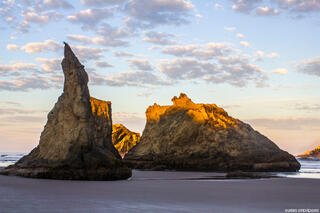
The magic and spectacular of Cape Perpetua on the dramatic Oregon Coast
The magic and spectacular of Cape Perpetua on the dramatic Oregon Coast
The Cape Perpetua Scenic Area is one of the most spectacular destinations on the central Oregon Coast, where ancient coastal rainforests meet rugged volcanic cliffs and the powerful Pacific Ocean. Located approximately three miles south of Yachats, along U.S. Highway 101 in Lane County, Oregon, this remarkable landscape is part of the Siuslaw National Forest and is managed by the U.S. Forest Service. It offers visitors dramatic ocean viewpoints, fascinating geological formations, forest hiking trails, tide pools, secluded shoreline access, and opportunities to discover thousands of years of human history.
Among its most memorable attractions are Cape Perpetua Headland, Devil’s Churn, Cape Cove Beach, Cook’s Chasm, and the Cape Perpetua Visitor Center. Whether you are planning a short scenic stop or a full day of exploring, this area provides an extraordinary introduction to the natural beauty of Oregon’s coastline.
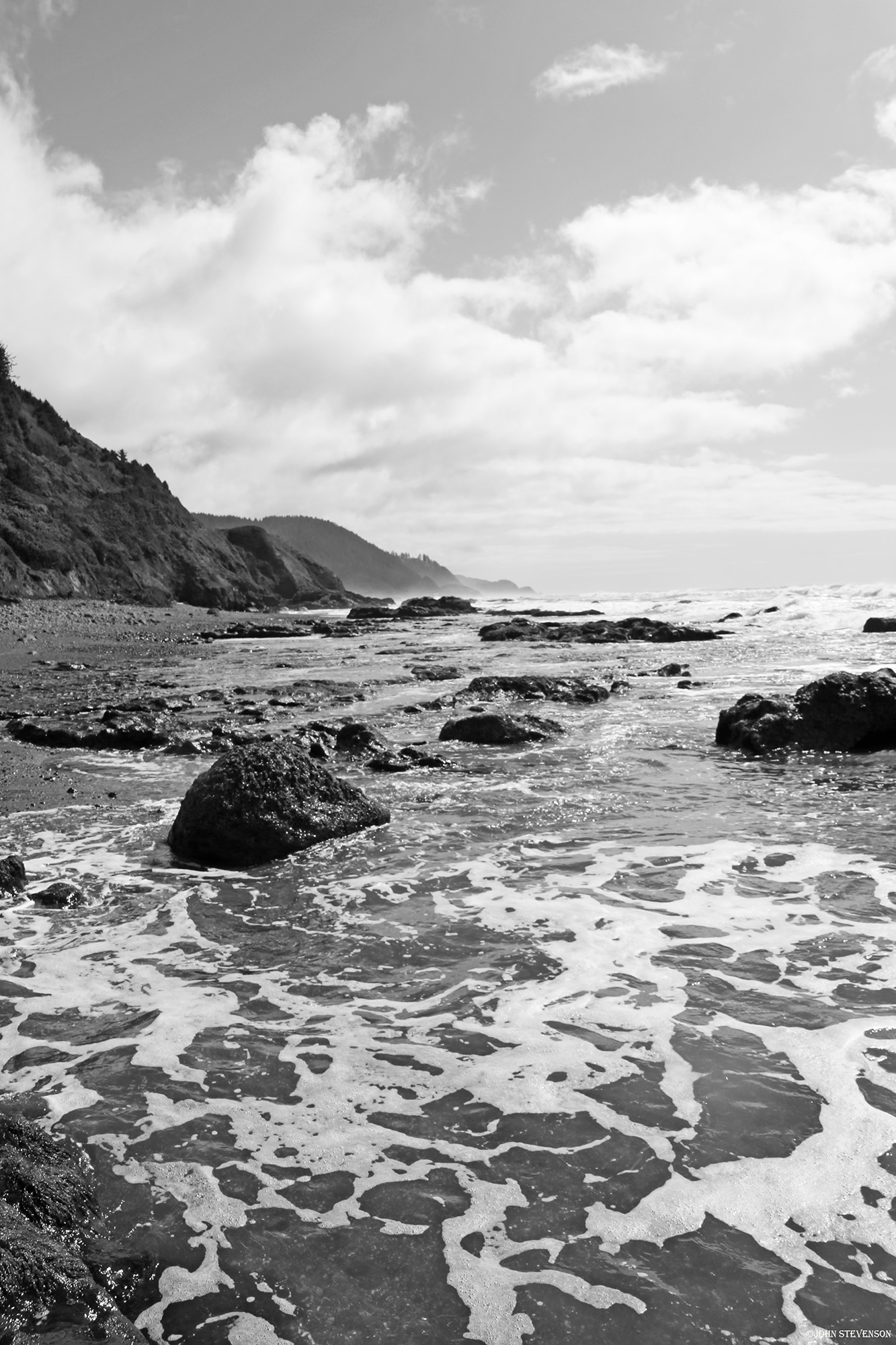
Explore Cape Perpetua and nearby coastal attractions
Cape Perpetua Scenic Area: Where forest meets the sea
Cape Perpetua is a dramatic coastal headland rising approximately 800 feet above the Pacific Ocean. Its elevated position provides sweeping views of the shoreline, offshore rocks, forested hills, and seemingly endless ocean. On clear days, visitors can see for many miles along the coast and out toward the horizon.
The surrounding scenic area encompasses approximately 2,700 acres of protected coastal habitat and contains a network of roughly 26 miles of interconnected trails. These trails wind through mature and old-growth forests, across moss-covered ground, past enormous trees, and toward viewpoints overlooking the ocean. The landscape combines several distinctive environments, including Sitka spruce rainforest, rocky headlands, exposed basalt shelves, small coves, and marine habitats.
The contrast between the dark green forest and the blue-gray Pacific makes Cape Perpetua particularly beautiful. In winter, storm clouds and enormous waves create a dramatic atmosphere. During summer, clearer skies can reveal distant headlands and a calmer-looking ocean, although coastal winds and sudden changes in weather are still common.
Visitors can explore the area at their own pace, choosing a short walk to a scenic viewpoint or a longer forest hike. Some trails are relatively easy, while others involve steep climbs, uneven surfaces, and considerable elevation gain.
Cape Perpetua is also an excellent place to appreciate the relationship between the land and the sea. The headland's volcanic rock has been shaped by waves over thousands of years, while the surrounding forest supports a rich variety of coastal plants and wildlife.
The history of Cape Perpetua
Cape Perpetua's history extends far beyond modern tourism. Indigenous people have lived in this region for at least 6,000 years, relying on the ocean, rivers, forests, and surrounding landscape for food, shelter, and cultural traditions.
The U.S. Forest Service identifies the area's Indigenous history with the Alsea people, who called the area Halaqaik. Archaeological sites, including shell middens, provide evidence of long-standing coastal settlement and traditional village life. These remains are important cultural resources and should be left undisturbed.
In 1778, British explorer Captain James Cook encountered the headland during his Pacific voyages and named it Cape Perpetua in honor of Saint Perpetua. The name has remained associated with this distinctive section of the Oregon Coast.
The region's later history includes the painful consequences of American settlement and federal policies toward Indigenous communities. During the nineteenth century, Native people from the broader coastal region were forcibly removed from their homelands. The Alsea Sub-Agency at nearby Yachats operated as a place of confinement from 1860 to 1875 for Indigenous people, including Coos, Lower Umpqua, and Siuslaw people. This history is an important reminder that the scenic beauty of the coast exists alongside the history and continuing presence of Indigenous communities.
Another important period came during the Great Depression. President Franklin D. Roosevelt's Civilian Conservation Corps, or CCC, established a work camp at Cape Perpetua. Young men helped construct trails, plant vegetation, and develop facilities that improved public access to the scenic landscape. Some of the trails and historic structures visitors encounter today reflect this work.
The area was incorporated into the Siuslaw National Forest in 1908. Over time, its combination of dramatic geology, coastal forest, cultural significance, and scenic viewpoints established Cape Perpetua as one of Oregon's best-known natural destinations. Today, the Forest Service protects the landscape while providing recreational opportunities and educational programs for visitors.
Cape Perpetua Visitor Center
Address: 2400 U.S. Highway 101, Yachats, Oregon 97498
Phone: (541) 547-3289
Location: Approximately three miles south of downtown Yachats.
Management: U.S. Forest Service, Siuslaw National Forest.
The Cape Perpetua Visitors Center is an excellent starting point for exploring the scenic area. It provides information about local history, coastal geology, rainforest ecology, hiking trails, and wildlife. Exhibits and interpretive displays help visitors understand how the ocean, forest, and volcanic landscape have shaped this distinctive stretch of the coast.
The center has traditionally offered educational displays, nature films, scenic viewing opportunities, and a place to speak with staff about trail conditions and local attractions. Seasonal ranger programs and guided walks may also be available. The facilities and programs make it particularly useful for families, first-time visitors, and anyone wishing to learn more than can be discovered from a roadside viewpoint alone.
The visitor center is also a convenient hub for several hiking routes. From this area, visitors can access trails leading toward Cape Creek, the Giant Spruce, coastal tide pools, and higher forested viewpoints.
Opening hours vary by season, so check the Siuslaw National Forest website or call ahead before visiting. The broader scenic area trails and viewpoints may remain accessible when the visitor center itself is closed, subject to individual trail closures and posted restrictions.
A day-use fee may apply to parking in the scenic area. Visitors should check current Forest Service information and signs at the parking area for applicable fees, accepted recreation passes, and payment instructions.
Devil’s Churn: A dramatic display of ocean power
One of Cape Perpetua's most famous attractions is Devil’s Churn, a narrow, wave-carved inlet in the volcanic rock just off Highway 101. Here, the Pacific Ocean rushes into a long, uneven channel, colliding with the rocky walls and producing swirling water, booming surf, and spectacular bursts of spray.
The formation developed as the ocean exploited fractures in the basalt bedrock. Repeated pounding by waves gradually enlarged the opening, creating the deep channel that visitors see today. When incoming and outgoing waves meet within the confined space, the water churns dramatically before surging back toward the sea.
The appearance of Devil's Churn changes with the weather, tide, and swell. During powerful winter storms, waves may crash against the channel with tremendous force. On calmer days, the water can appear less turbulent, although the location remains exposed to unpredictable ocean conditions.
A short, paved loop called the Trail of the Restless Waters leads from the Devil's Churn Day Use Area to viewing points overlooking the rocky inlet. The loop is approximately 0.4 mile long. Visitors can observe the action of the ocean without committing to a long hike. Parts of the route are steep or uneven, so accessibility varies along the trail; the lower overlook is identified as wheelchair accessible in Forest Service information.
Devil's Churn is particularly rewarding for photographers. The contrast between white sea foam, dark volcanic rock, and deep ocean water creates striking images. On stormy days, however, spray may reach the trail, and wet surfaces can become slippery.
Safety is essential. Never climb over barriers, approach the edge of the inlet, or stand on exposed rocks to get a closer photograph. Large waves can arrive unexpectedly and reach areas that appear to dry and safe. The safest way to appreciate Devil's Churn is from designated viewing areas, well back from the water.
Cape Cove Trailhead and Cape Cove Beach
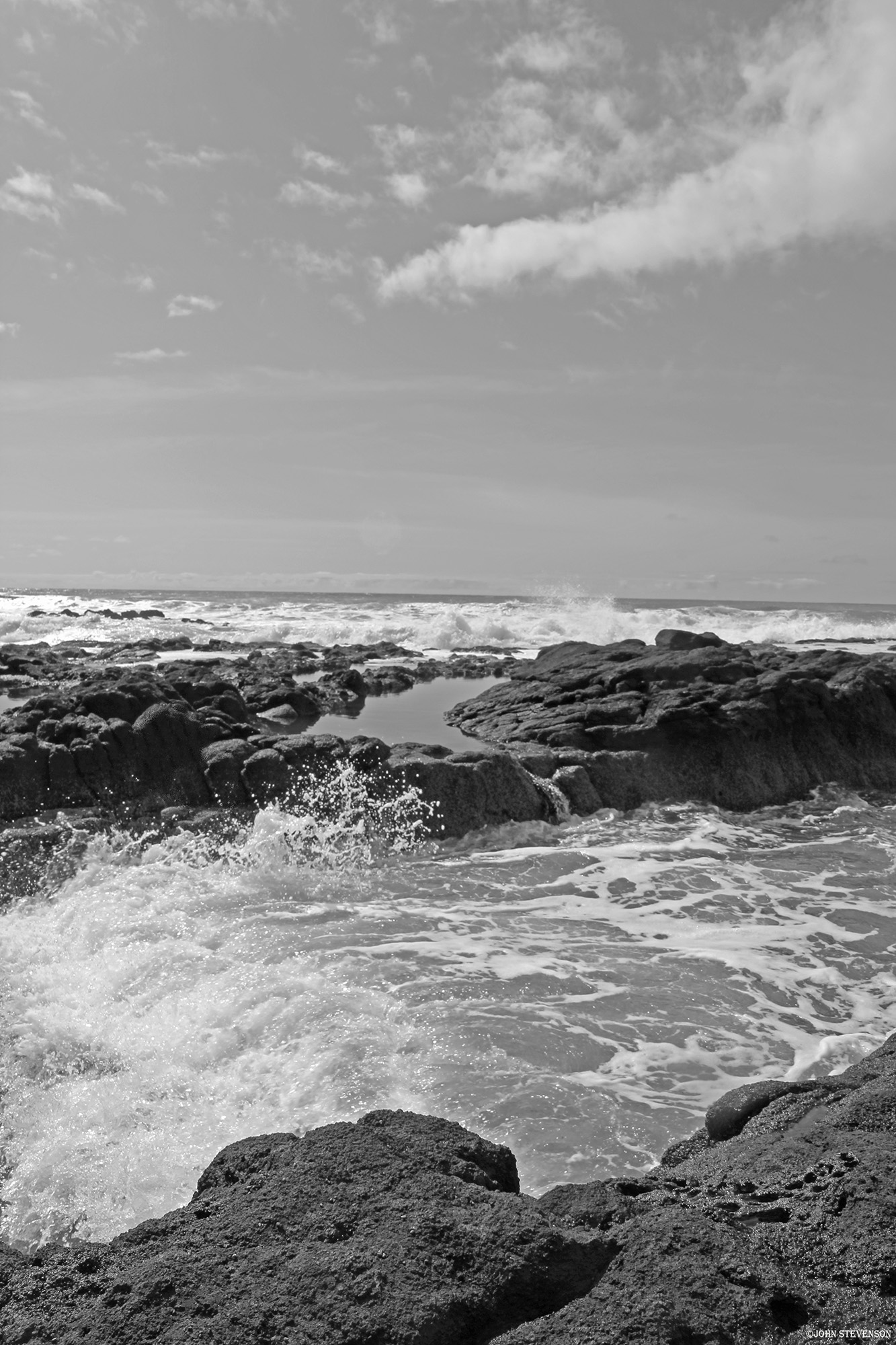
Cape Cove offers a different experience from the exposed headland and crashing waters of Devil's Churn. This small coastal cove provides a closer encounter with the shoreline, where visitors may enjoy the sound of the surf, rocky coastal scenery, and the quieter atmosphere of a tucked-away beach.
The Cape Cove Trailhead is within the Cape Perpetua Scenic Area and is managed by the Siuslaw National Forest. The beach is reached by a short trail, commonly described in Forest Service material as approximately 0.3 miles long. It is a good option for visitors who want to explore the coastline without undertaking a long backcountry hike.
The cove's character depends on the tide and ocean conditions. At lower tides, more of the shore may be exposed, creating opportunities to observe rocks, sand, and coastal features. At higher tides or during rough seas, the available beach can become much smaller, and waves may cover portions of the shoreline.
Cape Cove is not a broad, flat recreational beach with extensive facilities. It is a natural coastal area with uneven ground and potentially slippery rocks. Visitors should be prepared for a short walk over a trail that may be muddy or wet, especially after rainfall.
How to get to Cape Cove Beach
- From Yachats: Drive south on U.S. Highway 101 for approximately three miles toward the Cape Perpetua Scenic Area.
- Find the access area: Look for sign access and parking around the Devil's Churn Day Use Area and Cape Cove Trailhead. Parking directly beside smaller trailheads may be limited.
- Follow posted trail directions: The Forest Service's published route describes walking south from the Devil's Churn Day Use Area to the Cape Cove Beach trail junction, then turning right toward the beach.
- Allow time for the walk: The trail is short, but allows additional time to take photographs, enjoy the surroundings, and walk carefully over uneven terrain.
One important consideration is that erosion has affected parts of the Cape Cove trail network. A recent Forest Service trail map marks a section near the highway as temporarily closed. The precise status of individual sections may change, so check current trail notices and follow barriers and signs on arrival. Do not attempt to bypass a closure to reach the beach.
Because facilities at the small trailhead may be limited, it is sensible to use restrooms at the visitor center or another signed day-use area before setting out. Bring drinking water, sturdy shoes, and a waterproof layer.
Cook’s Chasm, Spouting Horn and Thor’s Well
A short distance from Devil's Churn, the Cape Perpetua coastline contains several other geological features that demonstrate the power of the ocean.
Cook’s Chasm is a narrow opening in the basalt shoreline where waves rush into a rocky passage. Depending on the tide and swell, water can surge through the channel and create impressive splashes.
Spouting Horn is a nearby sea cave or blowhole-like feature. When waves enter the opening, compressed air and water can produce a loud hiss and a plume of spray. Its activity varies with ocean conditions, making some visits more dramatic than others.
Thor’s Well is perhaps the area's most photographed coastal formation. It is a roughly circular, ocean-connected opening in the basalt shelf. As waves move through it, water appears to drain into the hole before surging upward again. The effect can look like a bottomless well, especially when the surf is strong.
These attractions are close enough to combine into one sightseeing trip, but they should not be approached as ordinary beach walks. Their rocky platforms are often slippery, and waves can sweep over exposed areas. View them from designated paths and safer elevated positions rather than standing near the openings.
Low tide may reveal more of the rocky shoreline, while a rising tide or larger swell can make the water's features more dramatic. Neither condition guarantees safety. Check tide tables and local advisories before deciding where to walk and never venture onto exposed rocks if waves are reaching them.
Hiking and exploring the coastal forest
Cape Perpetua is not just a coastal viewpoint; it is also a destination for hikers who want to explore the temperate rainforest. Its extensive trail network includes short interpretive walks, routes to the beach and tide pools, and longer hikes through old-growth forest.
Here are several popular options:
- Captain Cook Trail: Approximately 0.8 miles round trip, according to the Forest Service brochure. It passes through coastal vegetation and leads toward tide pools and the rocky shore. Access to the shoreline may be challenging depending on conditions.
- Giant Spruce Trail: A forest walk to a massive Sitka spruce estimated to be more than 500 years old. The trail follows Cape Creek through lush woodland.
- Whispering Spruce Trail: A short loop near the upper Cape Perpetua viewpoint, offering ocean views from the West Shelter and nearby stone parapet.
- St. Perpetua Trail: A more strenuous route that climbs from the visitor center toward the high headland viewpoint. It involves a substantial uphill climb.
- Oregon Coast Trail: A coastal route with elevated views of the rugged shoreline that connects with other trails in the scenic area.
Each trail offers a different perspective on the landscape. Short walks are appropriate for visitors with limited time, while longer routes are better for hikers prepared for changing weather, steep sections, and uneven surfaces.
Stay on marked trails, respect wildlife, and avoid removing plants, rocks, or other natural features. Dogs must be kept on a leash in the scenic area, subject to posted rules.
Wildlife, tide pools and coastal ecology
The meeting of forests and oceans creates habitats for a wide range of wildlife. Depending on the season and conditions, visitors may see seabirds circling in the headland, shorebirds feeding near the water, or marine mammals offshore.
Tide pools provide opportunities to observe small marine organisms such as sea anemones, mussels, barnacles, and other intertidal life. The best viewing opportunities are generally around low tide, when more of the rocky shoreline is exposed.
The Cape Perpetua Marine Reserve protects important nearshore marine habitats in this region. Visitors should observe marine life without disturbing it, and should check current regulations before fishing, collecting, or engaging in other activities.
The forest is equally rich in natural interest. Sitka spruce, western hemlock, ferns, mosses, and other moisture-loving plants thrive in the coastal climate. Fallen logs provide habitat for insects and fungi, while the forest floor supports the natural processes that keep this ecosystem healthy.
For the best wildlife experience, walk quietly, bring binoculars, and allow time to observe your surroundings. Remember that animals and birds are wild, and their presence is never guaranteed.
Best time to visit Cape Perpetua
Cape Perpetua can be visited throughout the year, and each season offers a different coastal experience.
- Spring: Fresh green vegetation, wildflowers, flowing streams, and changing weather make the forest especially attractive.
- Summer: Longer daylight hours and generally milder weather are ideal for sightseeing, hiking, and exploring the coastline. Fog and cool winds are still possible.
- Autumn: Visitors may enjoy quieter trails, changing forest colors, and increasingly dramatic surf.
- Winter: Stormy weather can produce spectacular waves at Devil’s Churn and Cook’s Chasm, but trails and rocks may be wet, slippery, or temporarily closed.
For photography, early morning and late afternoon often provide attractive light. For viewing wave action, check tide tables and weather forecasts before travelling. Larger waves can make the scenery dramatic, but they also increase the danger along exposed sections of shoreline.
Getting there and planning your visit
Cape Perpetua Scenic Area is located on U.S. Highway 101, approximately three miles south of Yachats and north of Florence. The visitor center at 2400 Highway 101 is a useful starting point, while Devil’s Churn has its own signed day-use access and parking area.
A practical visit might include:
Begin at the Cape Perpetua Visitor Center to learn about the area's history and check trail conditions.
Visit Devil’s Churn and walk the designated viewing trail.
Explore Cape Cove Beach if the access trail is open and ocean conditions permit.
Continue to Cook’s Chasm, Spouting Horn, and Thor’s Well for additional coastal views.
If time and energy allow, choose a forest trail or drive up to the Cape Perpetua overlook.
You can spend a couple of hours visiting the main coastal attractions or devote half a day or longer to hiking and exploring. Parking fees or recreation passes may apply, so check out current Forest Service guidance before your trip.
Above all, respect the ocean. Keep away from the edges of cliffs, avoid exposed rocks during rough surf, supervise children closely, and never turn your back on the waves. Tide conditions and trail closures can change, so consult the Siuslaw National Forest for current information.
Accommodation near Cape Perpetua, Oregon Coast
The best place to stay near Cape Perpetua Scenic Area is Yachats, a charming coastal village with oceanfront lodges, motels, bed-and-breakfasts, cottages, and vacation rentals. Most of the options below are a short drive from Cape Perpetua, Devil’s Churn, Thor’s Well, and nearby hiking trails.
Recommended places to stay
Overleaf Lodge & Spa
Ideal for couples seeking ocean views, a relaxing spa, breakfast, and a coastal walking trail. A lovely choice for a special getaway.
Address: 280 Overleaf Lodge Lane, Yachats
Official website and reservations
Fireside Motel
A relaxed coastal stay with ocean-view rooms, fireplaces, and access to shoreline walks and tide pools. A good choice for couples and nature lovers.
Address: 1881 Highway 101 N, Yachats
Phone: (541) 547-3636
Adobe Resort
Features ocean-facing rooms, a restaurant and lounge, an indoor pool, and a hot tub. Suitable for visitors who prefer additional amenities.
Address: 1555 Highway 101 N, Yachats
Phone: (541) 547-3141
Ambrosia Gardens Bed & Breakfast
A charming, bed and breakfast intimate option with landscaped gardens, personal hospitality, and homemade breakfasts. Particularly appealing to couples and travelers who enjoy a peaceful setting.
Address: 95435 Highway 101, Yachats
Phone: (541) 547-3013
Ambrosia Gardens Bed & Breakfast Booking
Vacation rentals, cabins, and Airbnb
For a private cottage or a rental with a kitchen, browse Airbnb near Cape Perpetua, Vacasa Yachats rentals, or the Oregon Coast Visitors Association lodging directory.
My recommendation: Choose Overleaf Lodge for a special oceanfront stay, Fireside Motel for a more casual coastal experience, or a private vacation rental if you need a kitchen and extra space.
Before booking, compare the total price, cancellation terms, room amenities, and pet policies. Rates and availability depend on your dates.
Conclusion
Cape Perpetua, Devil’s Churn, and Cape Cove provide an exceptional combination of natural beauty, geological wonders, forest trails, and cultural history on the Oregon Coast. From the spectacular waves crashing into Devil’s Churn to the quieter surroundings of Cape Cove Beach, each location reveals a different aspect of this remarkable landscape.
The Cape Perpetua Visitor Center offers a valuable introduction to the area's Indigenous heritage, conservation history, and natural environment. Nearby trails lead visitors through lush rainforest and toward dramatic ocean viewpoints, while Cook’s Chasm and Thor’s Well demonstrate the continuing power of the Pacific.
Whether you are travelling along Highway 101 for a short scenic stop or planning a full day of exploration, Cape Perpetua is a destination worth experiencing slowly and thoughtfully. Its scenery is unforgettable, and preserving its fragile habitats and respecting the ocean will help ensure that future generations can enjoy it too.
As for staying over-night I have listed some motels, lodges, Inns and Airbnb rentals, as always please contact them for more information.
Further reading and research resources
Thank you for reading my blog article on Cape Cove and the surrounding areas of the Oregon Coast and I hope you enjoyed it.
- Welcome to Siuslaw National Forest
- Cape Cove Trailhead Oregon Coast
- Cape Lookout State Park Oregon Coast
Below, you can see my fine art landscape photography prints for sale.
Cheers,
John
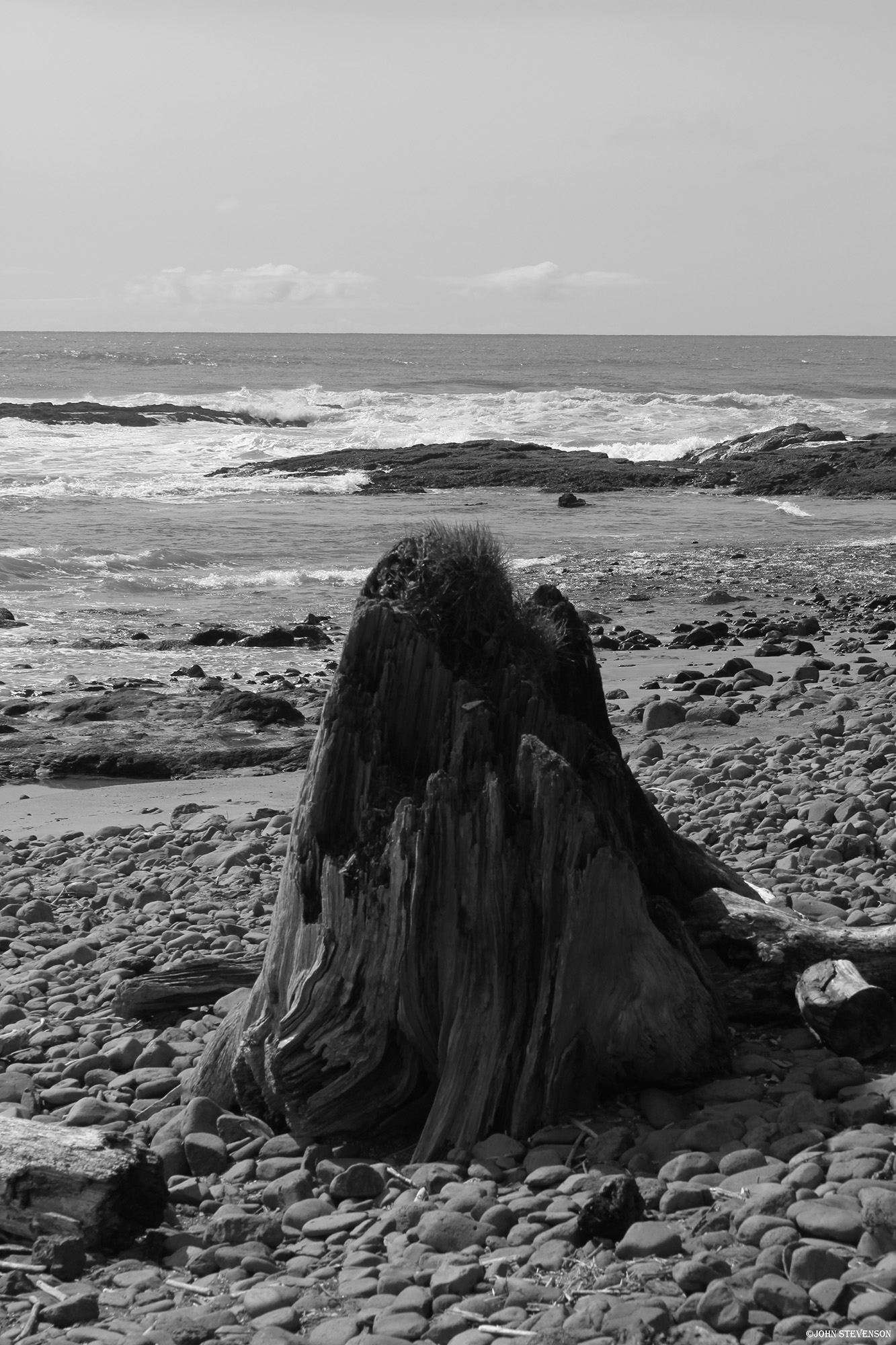
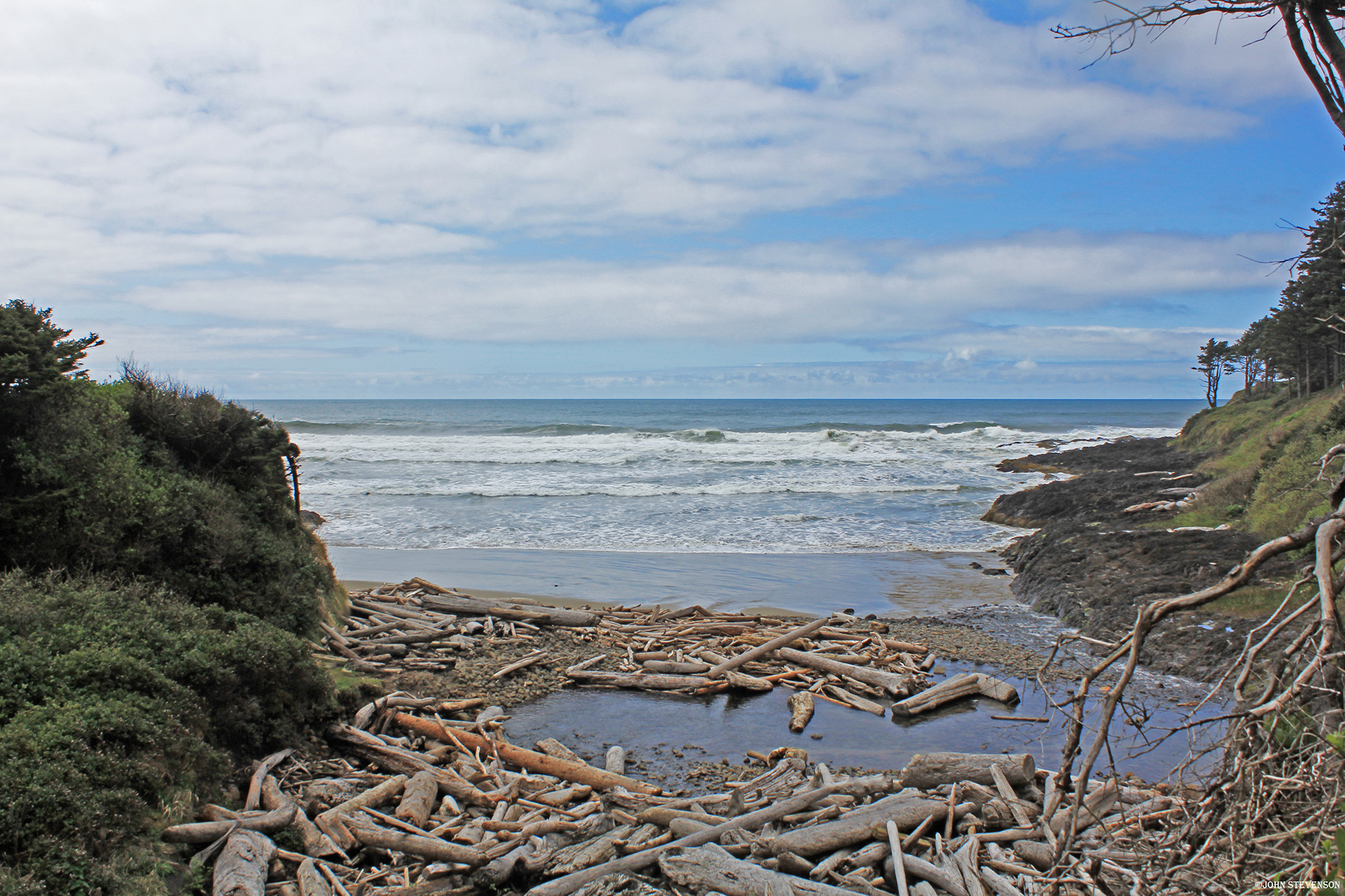
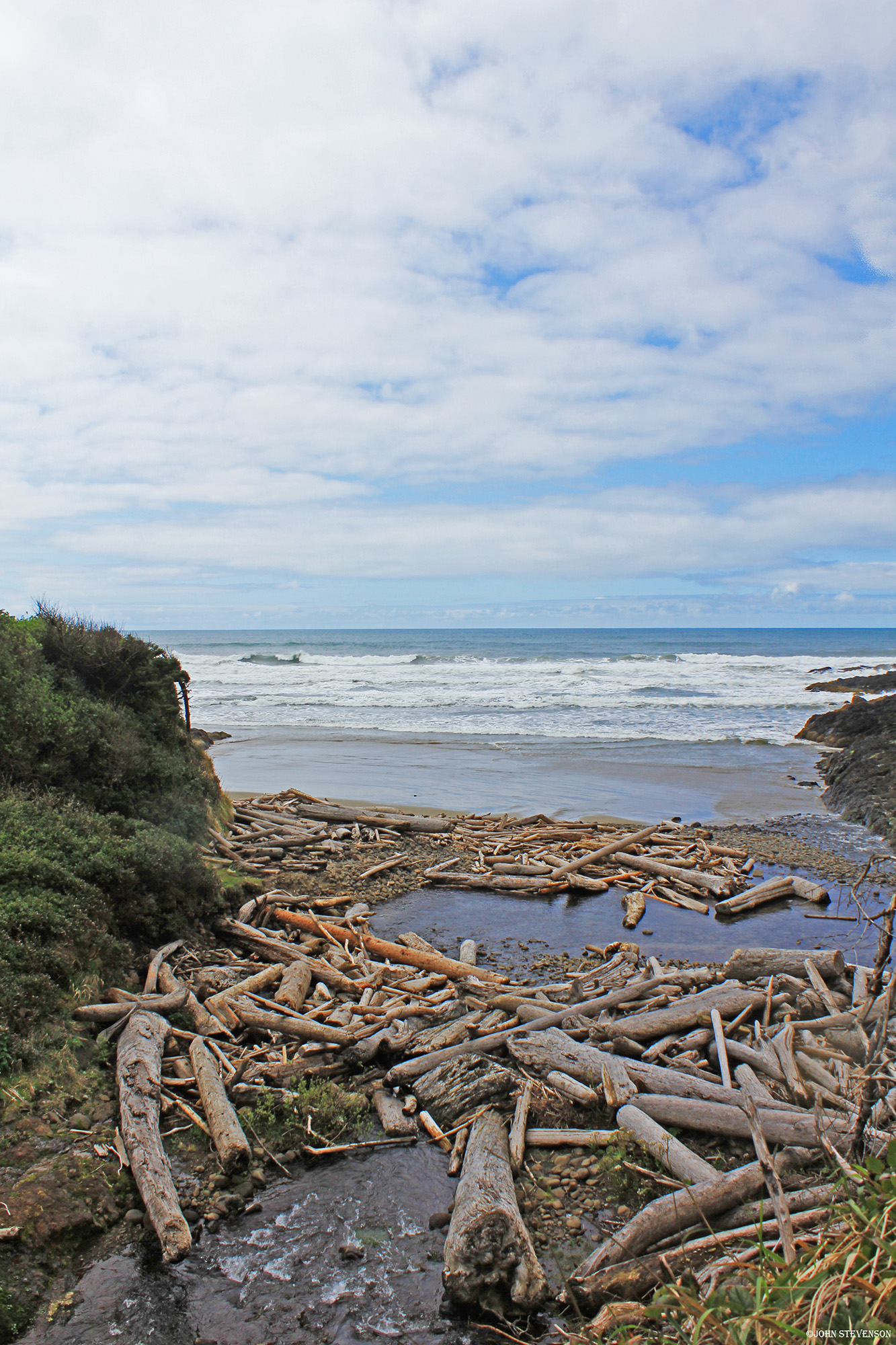
Driftwood gives Cape Cove Beach another layer of character, turning an already wild stretch of Oregon shoreline into a natural gallery of shapes, textures and stories. Scattered along the sand, massive pieces of weathered wood have been carried in by Pacific storms, tossed through the surf and finally deposited high on the beach. Some trunks are bleached almost silver by sun and salt, while others remain dark, twisted and rugged, their roots exposed like giant sculptures.
Walking among the driftwood at Cape Perpetua feels a little like exploring an outdoor art exhibit where the Pacific is the artist. No two pieces look alike. Fallen trees become benches for a moment of rest, natural frames for photographs or simply reminders of the power of the ocean. After a storm, the collection can change dramatically as new logs arrive and others are swept away.
The driftwood also adds to Cape Cove’s secluded atmosphere. With forested slopes rising behind the beach and waves breaking nearby, the shoreline feels wonderfully untamed. Sit beside a weathered log and watch the surf roll in, and it is easy to forget that Highway 101 is only a short distance away.
At Cape Cove, even the driftwood tells a story—and the Pacific keeps writing new chapters with every tide.
Thank you for visiting my new website, and please tell your friends about my fine art landscape photography!
Cheers John
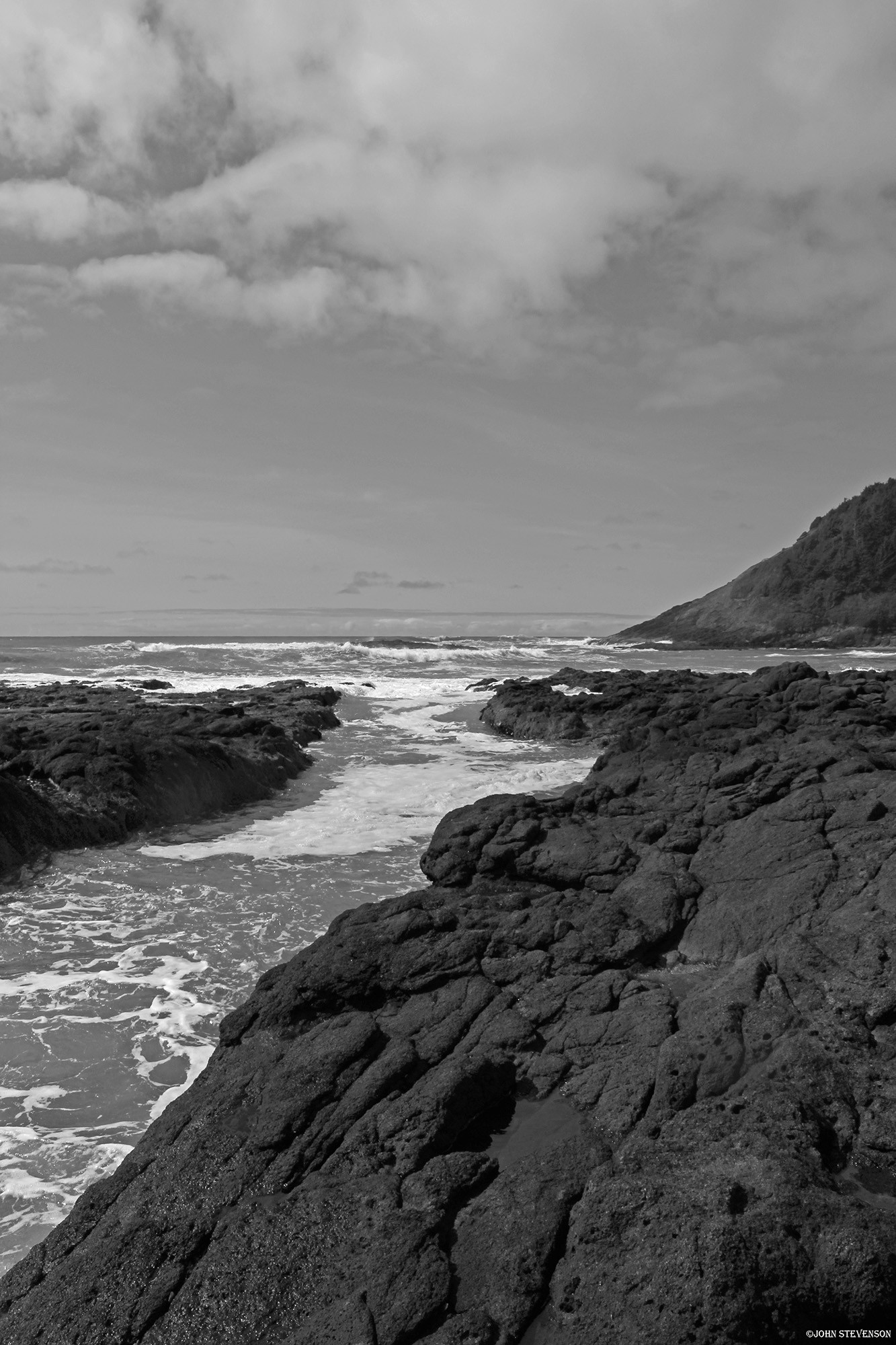
Cape Cove Beach doesn’t exactly whisper that it has arrived—it crashes onto the Oregon Coast with a roar. Waves charge into the cove, exploding against dark rocks and sending clouds of white spray into the air before racing back toward the Pacific. It is a wonderfully dramatic introduction to one of the coast’s quieter beaches, where the ocean seems determined to put on a show.
Tucked beneath the forested slopes of Cape Perpetua, Cape Cove feels like a secret hiding place along Highway 101. From the road, you may catch tantalizing glimpses of the water through the trees, but the real reward comes when the shoreline opens up below. Suddenly there is the Pacific in front of you, cliffs rising behind, and the rhythmic thunder of surf filling the air.
The beach is small, rugged and full of atmosphere. Waves tumble over offshore rocks, foam curls along the sand and every incoming swell seems to rearrange the shoreline. On stormier days, the spectacle becomes even more impressive, with the Pacific throwing its full weight against the cliffs.
Cape Cove is not about elaborate attractions or crowds. Its attraction is the wild, unpredictable fun of watching the ocean do what it does best—crash, roar, splash and occasionally surprise you. It is the kind of beach where simply standing still can feel like an adventure.
Thank you for visiting my new website, and please tell your friends about my fine art landscape photography!
Cheers John
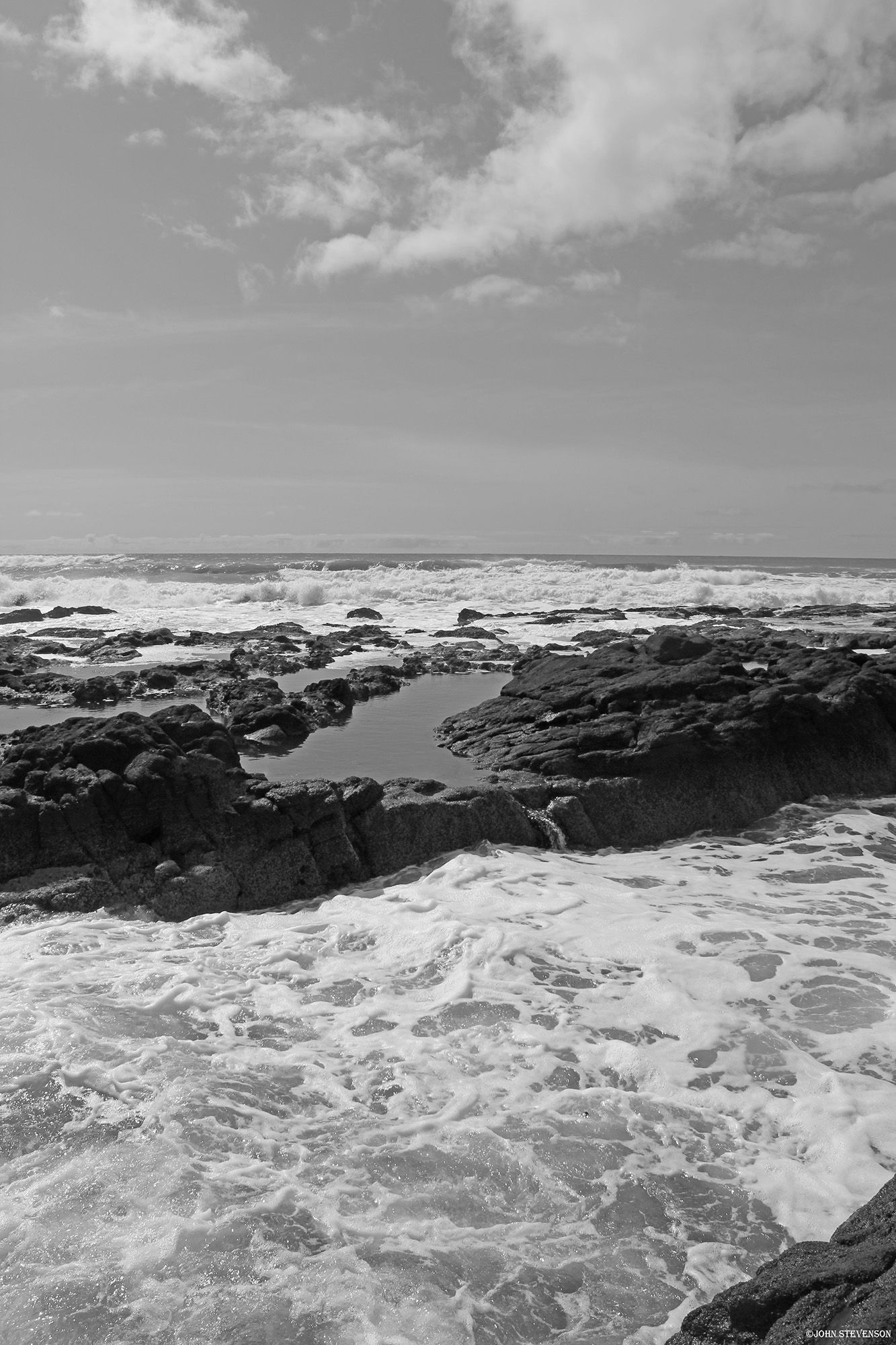
Cape Cove Beach is a dramatic little stretch of Oregon coastline where the Pacific announces itself with every crashing wave. Tucked beneath the forested slopes of Cape Perpetua, the beach feels remarkably wild, with rocky cliffs rising behind the shore and powerful surf rolling in from the open ocean. Waves break against offshore rocks, sending white spray into the air before rushing across the dark shoreline in long sheets of foam.
The sound of the surf is impossible to ignore. Even on a calm day, the Pacific gives this beach a restless energy, while larger swells can transform the cove into a spectacular display of water and spray. The constantly changing ocean makes the beach particularly captivating for photographers, sightseers and anyone drawn to the raw character of the Oregon Coast.
Part of Cape Cove’s charm is its secluded setting. Hidden below the surrounding headlands and coastal forest, it feels removed from the busier viewpoints and communities along Highway 101. From the road above, glimpses of the ocean hint at what lies below, but reaching the beach reveals a much more intimate landscape.
Here, the attraction is simple: crashing waves, rugged cliffs, salty air and an uninterrupted view of the Pacific—a small beach with the unmistakable character of Oregon’s wild coast.
Thank you for visiting my new website, and please tell your friends about my fine art landscape photography!
Cheers John
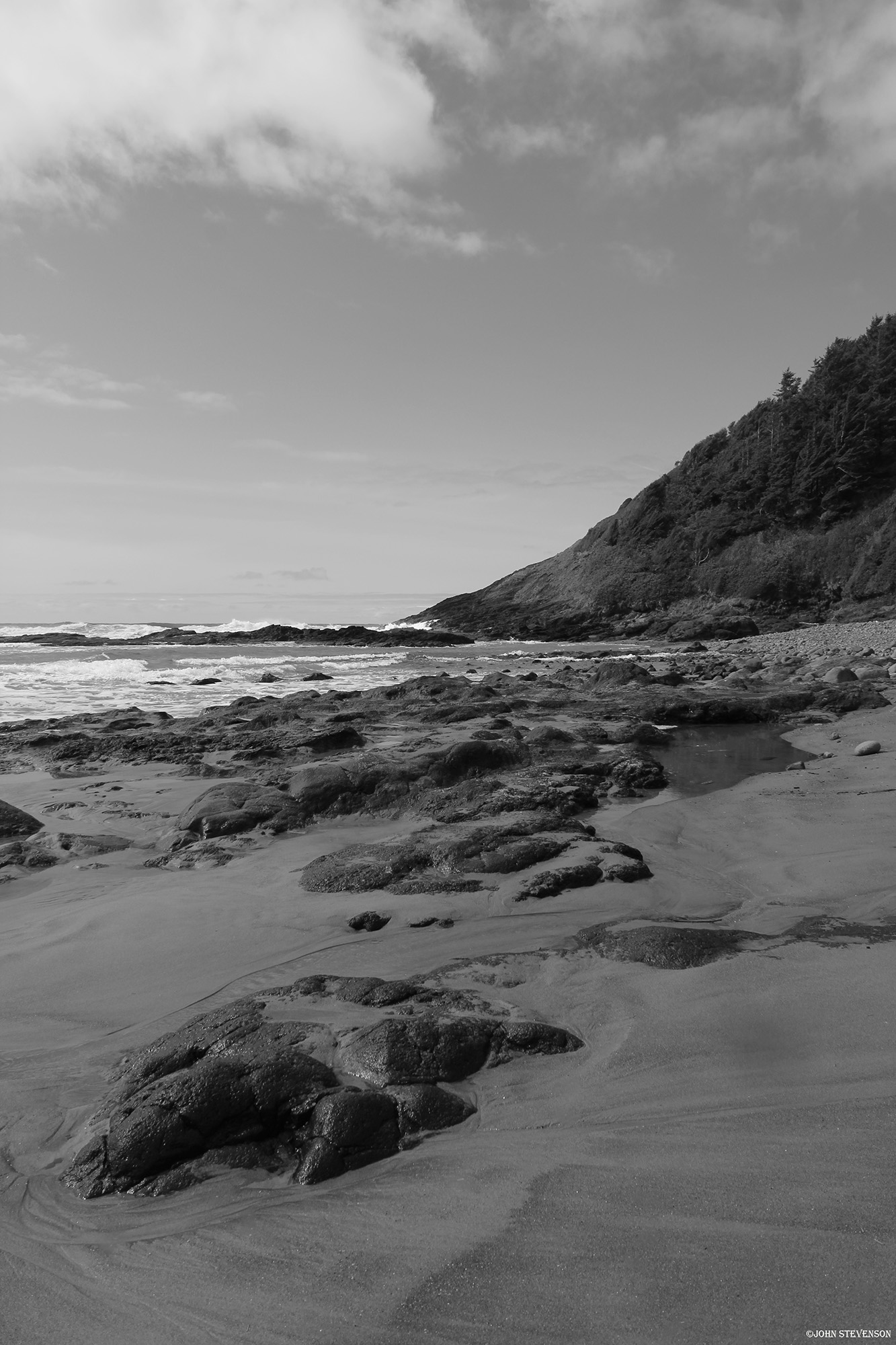
There is something wonderfully unexpected about Cape Perpetua. From Highway 101, the landscape can appear almost impenetrable—a wall of towering spruce and fir rising above the Pacific, broken only occasionally by a glimpse of blue water or a distant rocky headland. Then the forest opens, the ocean comes into view, and suddenly the full drama of the Oregon Coast is revealed.
Cape Cove beach is one of those places where the landscape feels larger than the number of people who visit it. Its steep slopes, thick coastal forest and rugged shoreline naturally divide the area into secluded pockets, creating a sense of wilderness that is increasingly difficult to find along a popular coastal highway. Small beaches and rocky coves remain tucked below the headland, while trails disappear into the forest and emerge at spectacular viewpoints high above the sea.
Part of Cape Perpetua’s magic is its variety. Within a relatively compact area, visitors can move from quiet woodland to dramatic ocean overlooks and down toward a shoreline battered by Pacific waves. The scenery constantly changes with the weather, too—sunlight can illuminate the water one moment, while mist and low clouds transform the headland into something mysterious the next.
It is this combination of wild scenery, hidden corners and surprising accessibility that gives Cape Cove beach its special character. You can arrive by one of Oregon’s great coastal highways, yet within minutes feel far removed from the world beyond the trees.
Thank you for visiting my new website, and please tell your friends about my fine art landscape photography!
Cheers John
Cape Perpetua rises dramatically above the Pacific on Oregon’s central coast, where towering forest, weathered cliffs and crashing surf create one of the region’s most unforgettable landscapes. Yet despite its spectacular scenery, the beach retains a remarkable sense of seclusion. Much of the area remains densely forested, with steep terrain separating the highway from the ocean and keeping many of its hidden coves and rocky beaches out of sight.
The journey along Highway 101 adds to the experience. As the road winds through towering coastal trees, occasional openings reveal sweeping views of the Pacific, distant headlands and rugged shoreline far below. From these elevated vantage points, the coast appears remarkably wild and undeveloped—a landscape shaped more by wind, waves and forests than by people.
Cape Perpetua’s appeal lies in this contrast: it is easy to reach, yet once you leave the main road and explore its trails, overlooks and shoreline, the landscape can feel wonderfully remote. Hidden beaches such as Cape Cove lie beneath the headland, while dramatic viewpoints reveal the immense scale of the Pacific. It is this combination of accessibility and solitude that makes such a special gem—and one of the Oregon Coast’s most rewarding places to explore.
Thank you for visiting my new website, and please tell your friends about my fine art landscape photography!
Cheers John
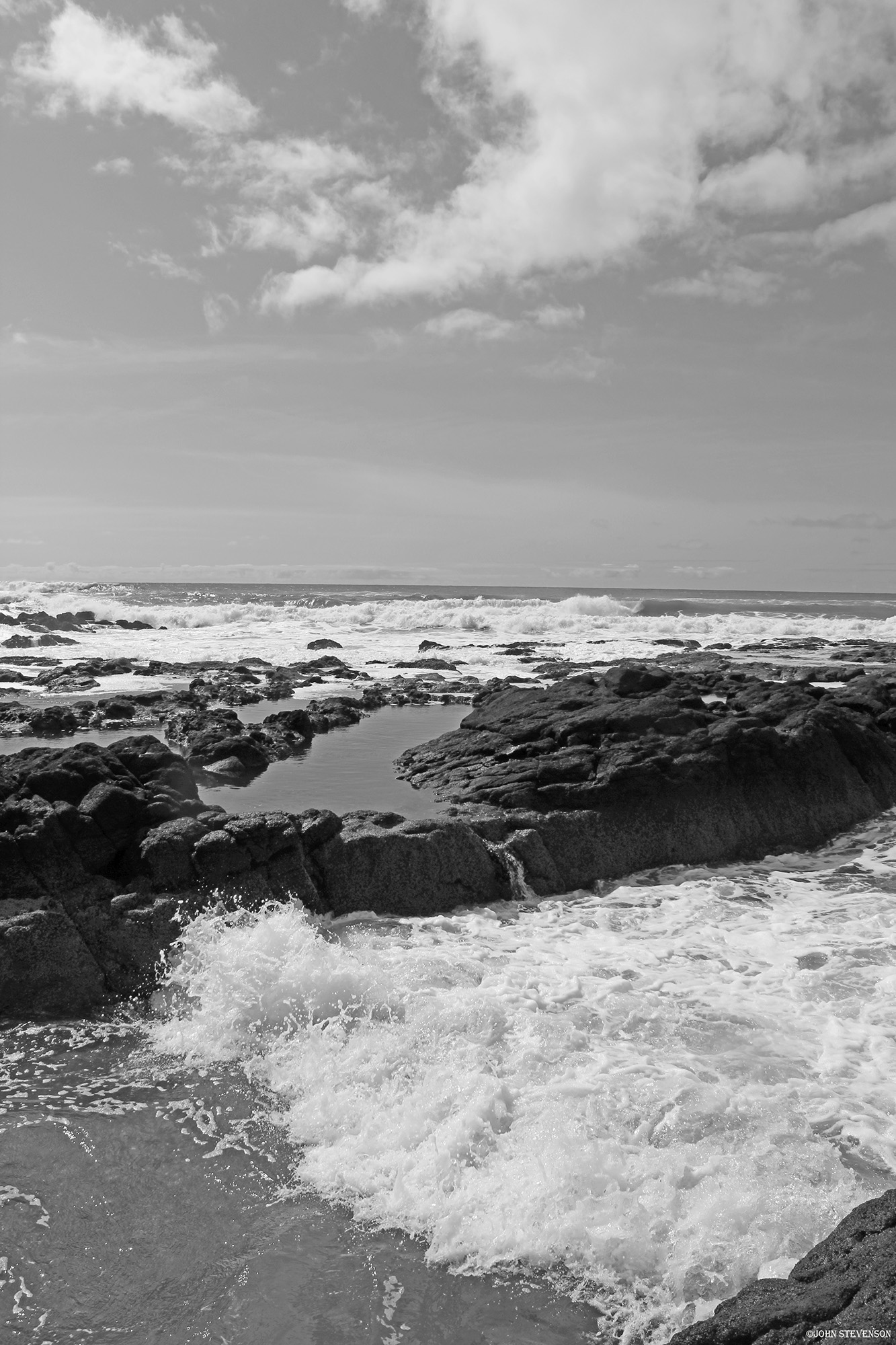
Cove Beach is a small, secluded stretch of shoreline tucked beneath Cape Perpetua on Oregon’s central coast, where towering forested cliffs meet the powerful waters of the Pacific. Just south of Yachats, it offers visitors a chance to experience Cape Perpetua from below, away from the sweeping perspective of the famous overlook above.
Getting to the beach is part of its appeal. From Highway 101, turn into the Cape Perpetua Scenic Area and follow the signs toward Devil’s Churn. From the Devil’s Churn area, the Cape Cove Trail leads through the coastal forest toward the beach. The short walk brings you gradually from towering spruce and fir trees to a rugged shoreline scattered with rocks and driftwood.
Once on the beach, the character changes dramatically. The immense headland rises behind you while the Pacific stretches toward the horizon, with waves rolling into the sheltered cove and crashing against the dark rocks. At low tide, the shoreline becomes particularly interesting to explore, revealing tide pools, sea-worn stones and constantly changing patterns in the sand.
The hidden beach is not a place for crowds or conventional seaside entertainment. Its attraction is the atmosphere: the sound of surf, the scent of the forest and the extraordinary meeting of mountain, forest and ocean. For travelers exploring this beautiful area, it is a rewarding detour—and a reminder that some of Oregon’s finest coastal views are found not from above, but down at the water’s edge.
Thank you for visiting my new website, and please tell your friends about my fine art landscape photography!
Cheers John
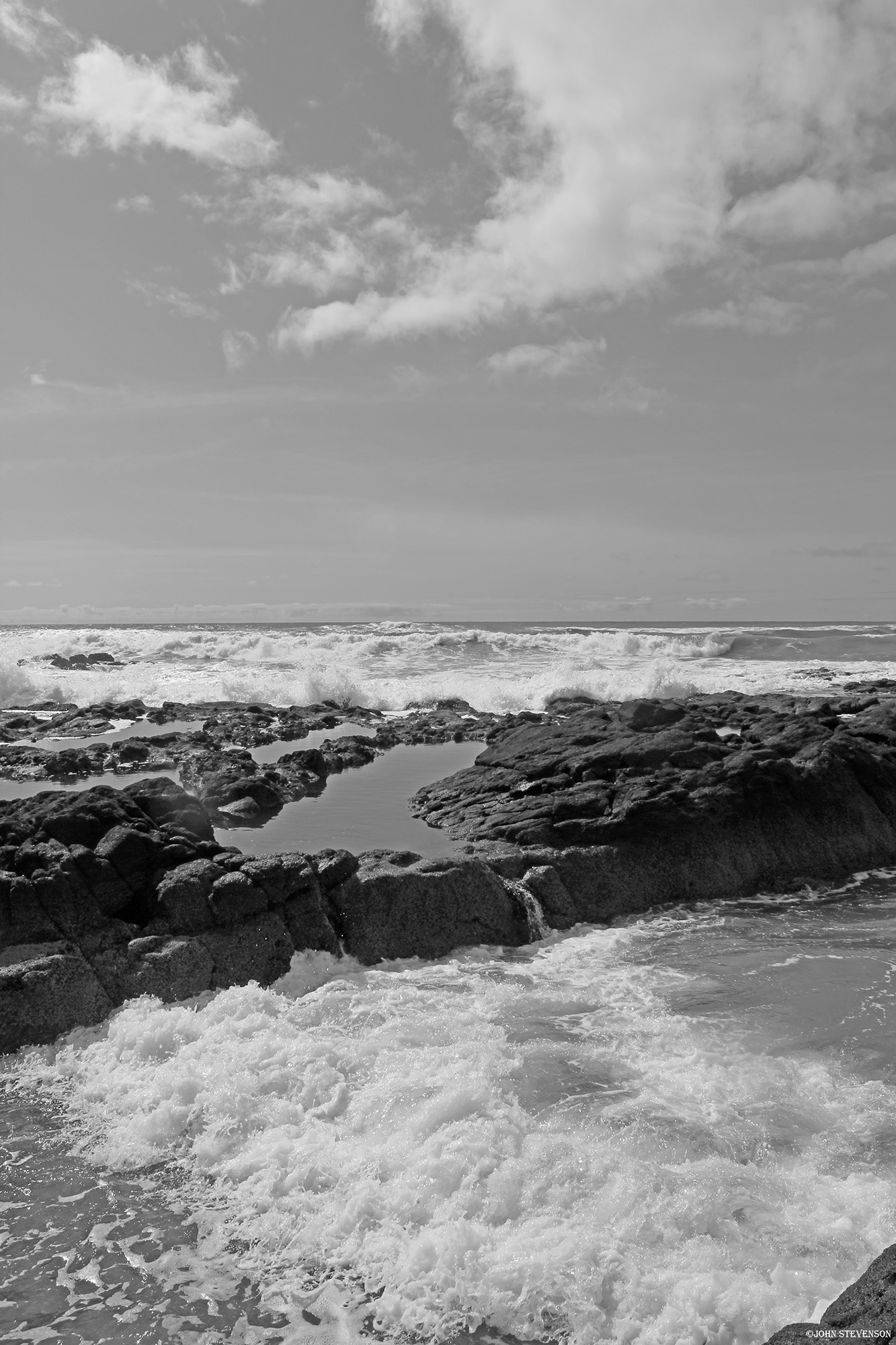
Cove Beach, tucked beneath the towering cliffs of Cape Perpetua on Oregon’s central coast, is one of those small coastal discoveries that can easily be missed while traveling Highway 101. Just south of Yachats, the secluded beach sits within the Cape Perpetua Scenic Area, surrounded by forest, volcanic rock and the restless Pacific.
Getting there is part of the experience. From the Devil’s Churn Day Use Area, visitors can follow the Cape Cove Trail south toward the beach. The Forest Service describes the trail as approximately 0.3 mile to the beach, making it a short but rewarding walk through the coastal landscape.
At the shoreline, the dramatic scenery of area takes on a more intimate character. Waves break against dark rocks, driftwood collects along the sand, and steep forested slopes rise behind the cove. At lower tides, the beach becomes especially inviting for exploring the shoreline and photographing the rugged intersection of land and sea.
This wonderful and hidden beach is not a sprawling destination for conventional beach recreation. Its appeal lies in its wildness and atmosphere—a quiet pocket of coast beneath one of Oregon’s most spectacular headlands, where the sound of surf and the changing Pacific become the main attraction.
Thank you for visiting my new website, and please tell your friends about my fine art landscape photography!
Cheers John
Cove Beach lies at the foot of Cape Perpetua on Oregon’s central coast, a small and secluded stretch of shoreline tucked beneath one of the Pacific Northwest’s most dramatic headlands. Reached from the Cape Perpetua area near Yachats, the beach offers an intimate perspective on a landscape that is often viewed from high above at the celebrated Cape Perpetua Overlook.
Down at the beach, the scale of the coast becomes immediate. Dark rocks, driftwood and sand meet the restless Pacific, while steep forested slopes rise behind the shore. Waves surge against the rocky edges, constantly reshaping the beach and creating a soundtrack of crashing surf and retreating water.
The setting is particularly compelling for photographers. Changing tides, sea mist, dramatic cloud formations and shifting coastal light can transform the scene from one moment to the next. The contrast between ancient forest, rugged shoreline and open ocean gives Cove Beach a distinctly wild character.
For travelers exploring Cape Perpetua, Cove Beach provides more than another scenic stop. It is a chance to leave the overlook behind and experience the coast at ground level—close enough to feel the spray, hear the surf and appreciate the raw beauty of Oregon’s Pacific edge.
Thank you for visiting my new website, and please tell your friends about my fine art landscape photography!
Cheers John
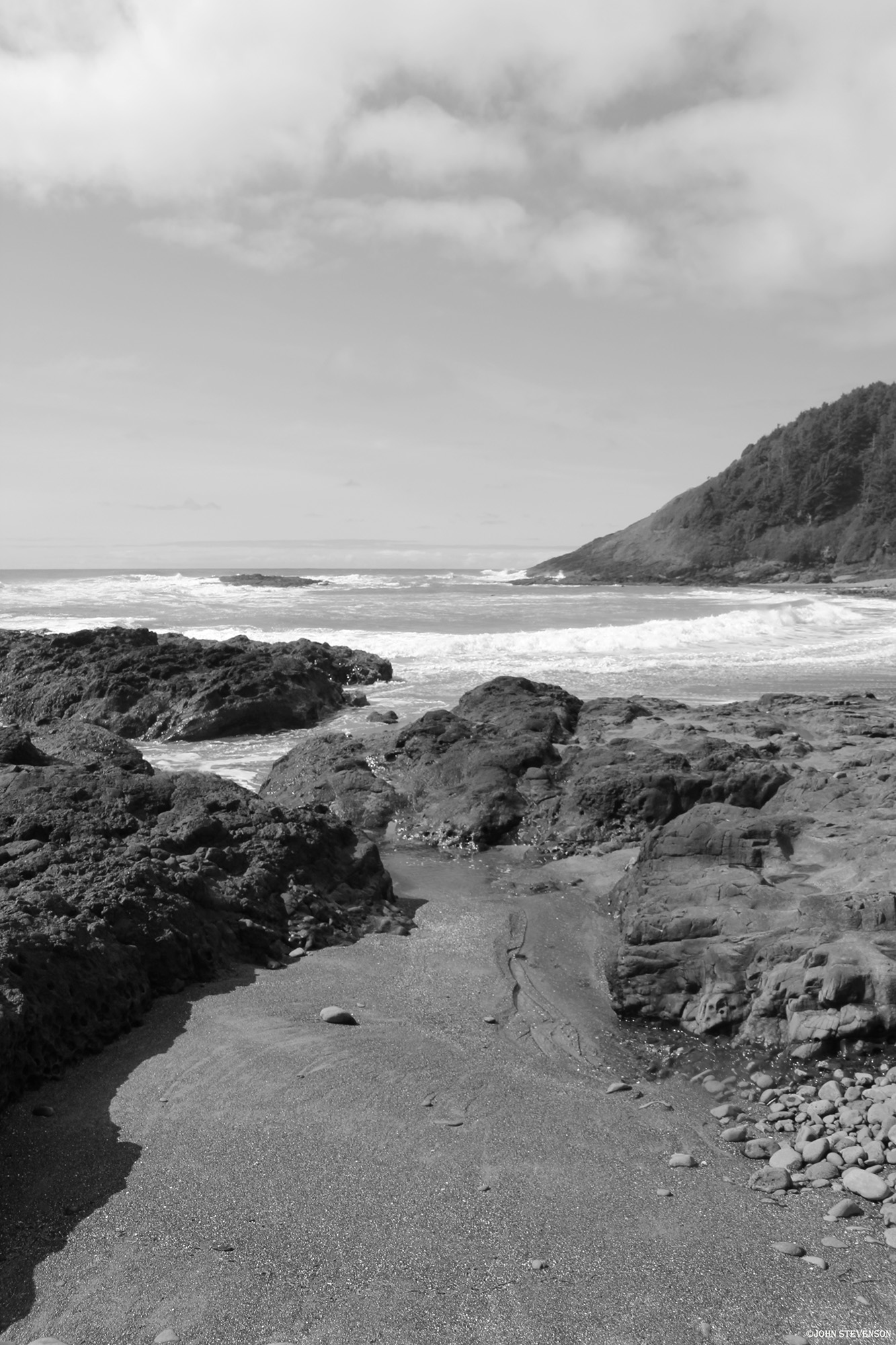
At the foot of Cape Perpetua, where Oregon’s forested mountains plunge dramatically toward the Pacific, Cove Beach offers a quieter encounter with one of the coast’s most spectacular landscapes. Tucked below the famous Cape Perpetua Overlook, the small, rugged beach called Cape Cove it feels almost hidden from the viewpoints and highways above.
Reaching the shore brings a striking change in perspective. Instead of looking down upon the Pacific from the headland, visitors stand among weathered rocks, driftwood and smooth stretches of sand while towering cliffs and evergreen forest rise behind them. Offshore, waves roll relentlessly toward the rocky shoreline, their energy amplified by the exposed setting.
Cove Beach is part of the larger Cape Perpetua Scenic Area, a landscape celebrated for its dramatic geology, coastal forests and powerful ocean scenery. The beach is especially appealing to photographers, with changing light, sea mist and shifting tides continually transforming the view.
For travelers exploring the central Oregon Coast, Cove Beach makes a memorable stop—less about traditional beach recreation and more about experiencing the wild, intimate character of the Pacific shoreline beneath one of Oregon’s great coastal viewpoints.
Thank you for visiting my new website, and please tell your friends about my fine art landscape photography!
Cheers John
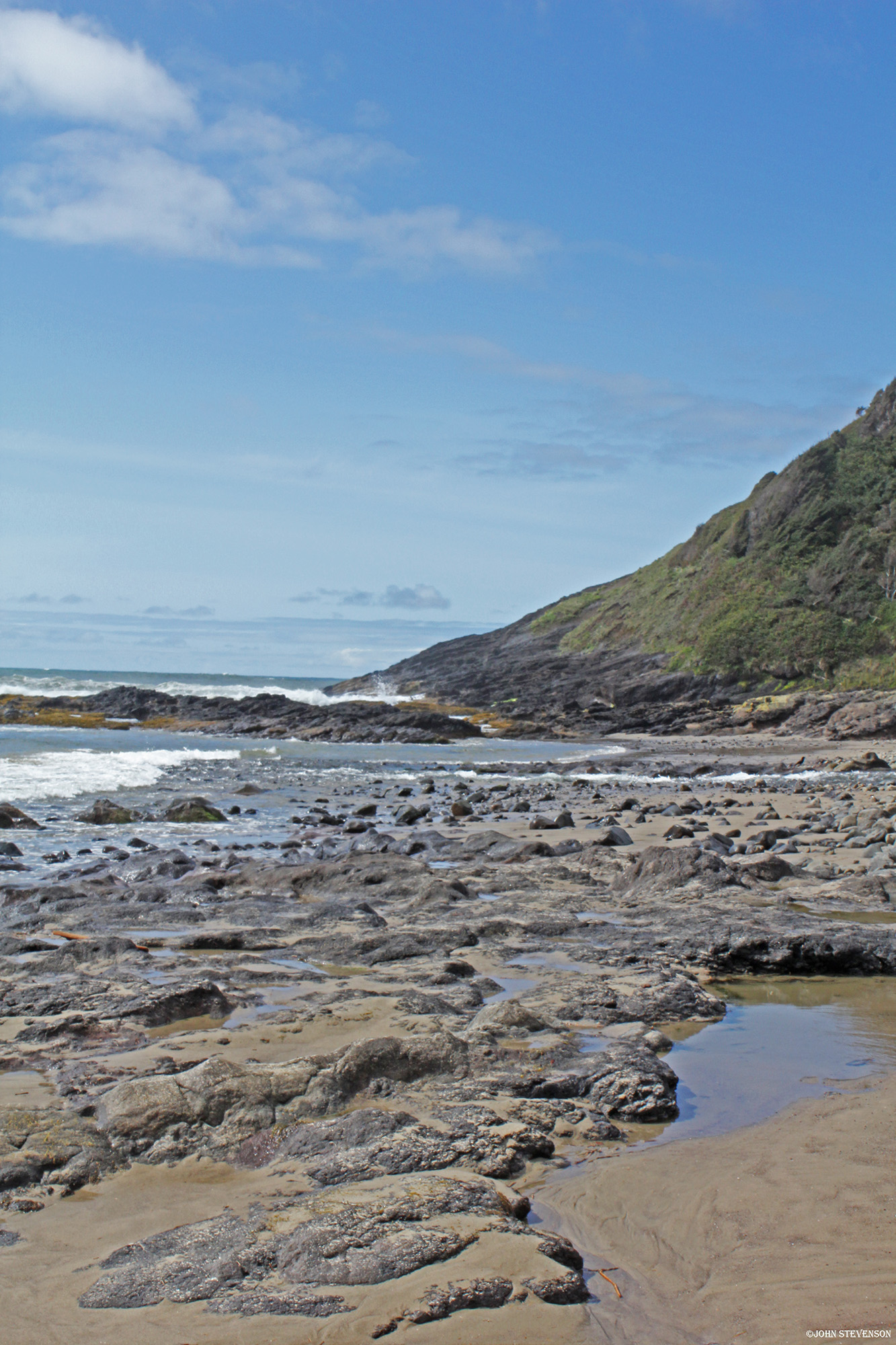
Cape Cove Beach and Cape Perpetua Overlook offer two unforgettable ways to experience the beauty of Oregon’s rugged central coast. Tucked beneath forested cliffs, Cape Cove Beach provides a peaceful setting where visitors can enjoy dramatic rocks, crashing waves, and the refreshing atmosphere of the Pacific Ocean. Just nearby, Cape Perpetua Overlook rises high above the shoreline, providing spectacular panoramic views of the coastline, forests, and open ocean. Together, these destinations showcase the natural beauty that makes the Oregon Coast so special. Whether you enjoy scenic viewpoints, coastal walks, photography, or simply listening to the waves, this area is worth exploring.
Highway 101 is the great coastal road of Oregon, tracing the Pacific shoreline for more than 360 miles through a spectacular succession of beaches, cliffs, forests and fishing towns. In places, the highway hugs the ocean closely; elsewhere, it climbs through dense coastal forest before emerging at viewpoints with sweeping panoramas of headlands and offshore rocks. Travelers encounter dramatic scenery around nearly every bend, from secluded coves to broad sandy beaches and rugged sea stacks. The road is more than a route between destinations—it is an attraction in its own right, offering countless opportunities to stop, explore and experience Oregon’s wild coastline at close range.
Thank you for visiting my new website, and please tell your friends about my fine art landscape photography!
Cheers John
Cape Cove Beach is one of those quiet corners of the Oregon Coast where the landscape seems to reveal itself slowly. Tucked beneath the dramatic headlands of Cape Perpetua, the beach offers a striking combination of rugged shoreline, forested slopes, weathered rock and the restless Pacific. Unlike some of the coast’s larger and more accessible beaches, this wonderful and quite beach feels intimate and secluded, making it an appealing destination for travelers looking to experience the wilder side of the Oregon coast.
The beach lies near Cape Perpetua Scenic Area, one of the most spectacular stretches of coastline between Yachats and Florence. Waves roll into the sheltered cove, while offshore rocks and towering cliffs create a dramatic natural frame. At low tide, the shoreline becomes especially inviting for exploring, photography and simply watching the changing patterns of surf and light.
Reaching this inspiring and photogenic beach is off Highway 101 and is an experience to enjoy. The road winds through dense coastal forest before opening toward the ocean, and viewpoints along the way provide glimpses of the spectacular scenery. For visitors exploring this area at Cape Cove offers a chance to leave the overlooks behind and experience the coast at sea level—where crashing waves, salty air and towering cliffs create a memorable introduction to Oregon’s untamed shoreline.
Thank you for visiting my new website, and please tell your friends about my fine art landscape photography!
Cheers John
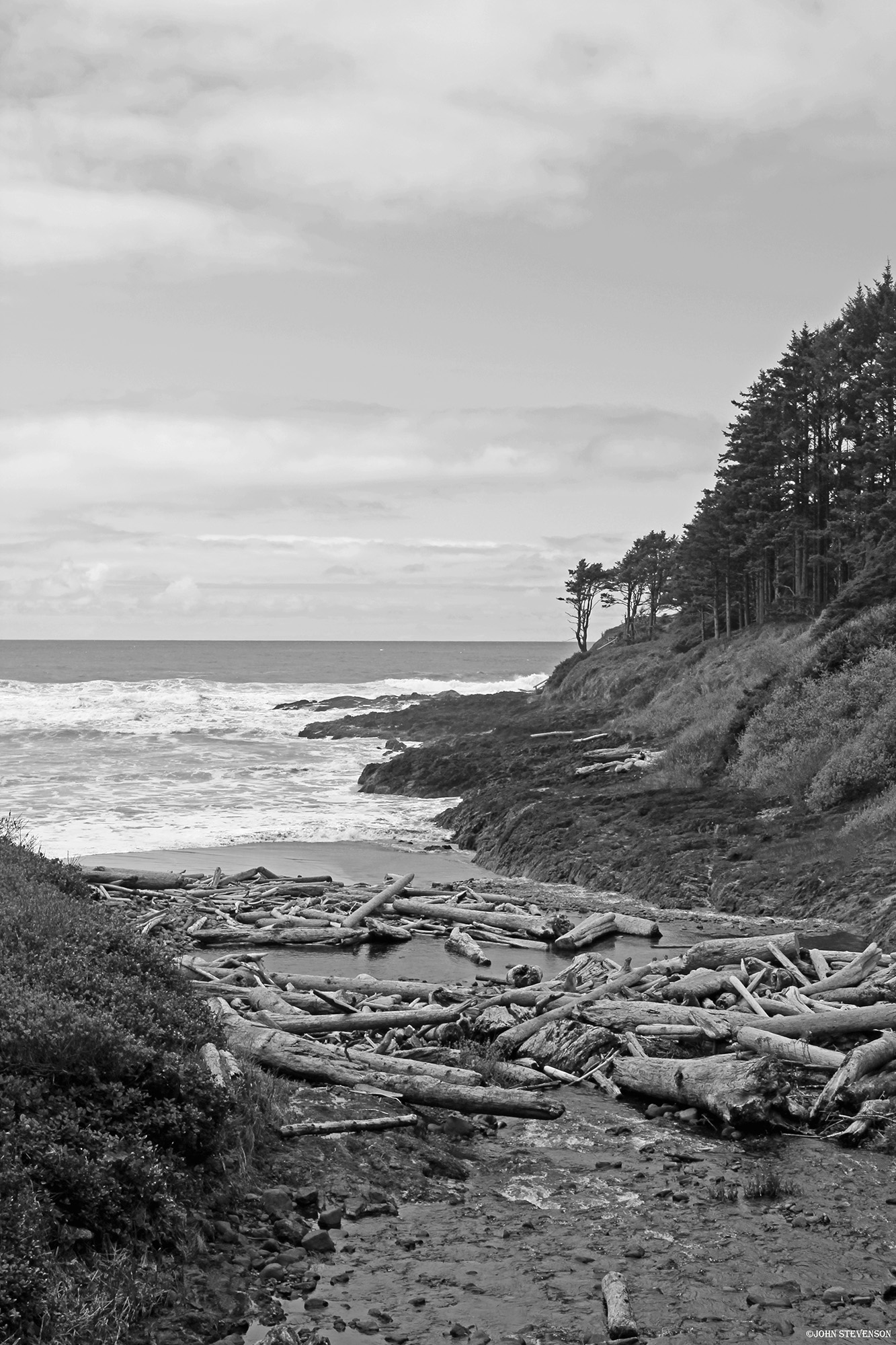
Cape Cove Beach is a small, secluded stretch of shoreline tucked beneath the dramatic slopes of Cape Perpetua on the central Oregon Coast. One of its greatest attractions begins before you even reach the sand. Traveling along Highway 101 between Yachats and Florence, the road threads through towering coastal forest before suddenly revealing glimpses of the Pacific. In places, the highway runs high above the shoreline, offering sweeping views across rocky headlands, forested cliffs and the restless ocean below.
From the highway, its almost seems hidden and secluded, a gem waiting to be discovered. That sense of isolation is part of its appeal that draw visitors. The beach is surrounded by steep, heavily wooded terrain, while the rugged coastline and limited access keep it quieter than many of the Oregon Coast’s more famous beaches. There is no large beachfront community, commercial strip or broad expanse of development nearby. Instead, the landscape dominates, creating the feeling of discovering a place that has been deliberately left to the elements.
At sea level, the character changes again. Waves curl into the cove, rocks line the shoreline and Cape Perpetua rises dramatically behind it. The combination of ocean views, forest and towering cliffs makes this gem worth a visit, especially rewarding for photographers and travelers who prefer scenery over crowds. It is a place where the journey along Highway 101 is almost as memorable as the destination itself.
Thank you for visiting my new website, and please tell your friends about my fine art landscape photography!
Cheers John