Prints
Fine Art Landscape Prints
I am very proud to offer my beautiful "Fine Art Landscape Photography Prints" with exceptional, high-quality printing in the USA that are "Archival Quality" and will last for years to come for you to enjoy in your home.
The printing company is based in California and started back in 1974. Their workmanship and highest quality are why I have used them for so many years.
The detail and correct color ranges they use for printing, and the latest technology, make my photography prints vibrant and stunning.
What is Archival Printing?
An archival print is an art reproduction that is printed on photographic paper, and the paper materials are designed not to yellow, resist fading, and resist aging for 100 years or more.
Paper Type: Hahnemühle William Turner. 100% Cotton
Learn More about Archival Photography Paper
Hahnemühle William Turner
- Museum‑grade papers — I love using Hahnemühle for my fine art prints due to the archival cotton papers known for texture, longevity, and tonal fidelity.
- True archival longevity — acid-free substrates + pigment inks = prints rated for decades without fading.
- Precision color management — Predictable and correct color is ensured via ICC profiles, calibrated workflows, and soft proofing support.
- Handcrafted finishing — Trained technicians check, trim, mount, and package each print.
- Exceptional detail reproduction — Their printers resolve micro‑detail beautifully for a perfect print.
- Please Note: Hahnemuhle Print Only. (No Frame or Matboard with this purchase)
- Please see different sizes for your new print in the "Galleries"
My Favorite Photography Prints
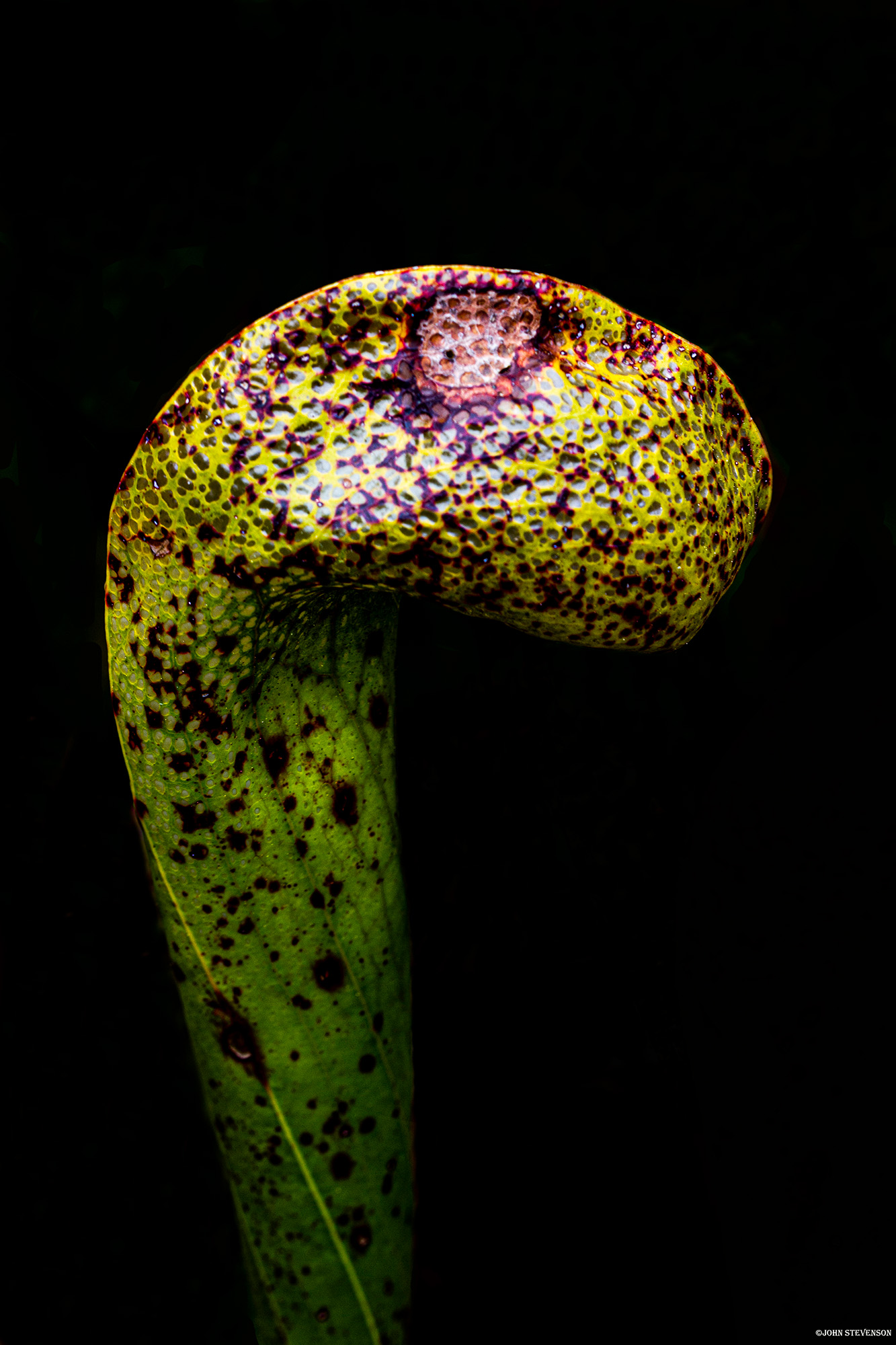
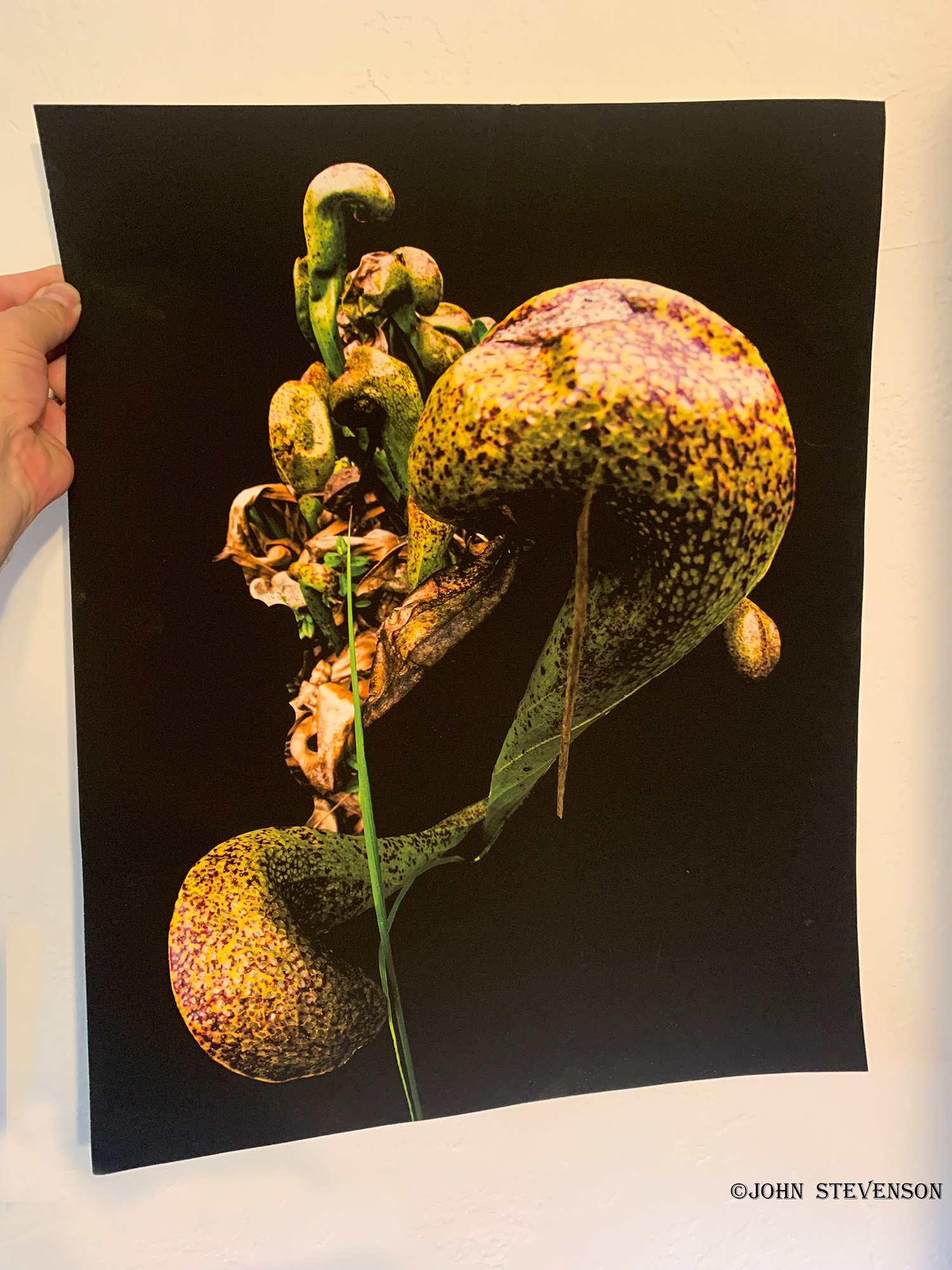
Darlingtonia State Natural Site protects one of the Oregon Coast’s most unusual botanical treasures: the rare cobra lily plant. Tucked into a cool, wet environment near Florence, the site provides the specialized conditions these remarkable carnivorous plants need to survive. Protecting this small habitat is important because cobra lilies depend on a delicate combination of moisture, cool temperatures, and naturally nutrient-poor conditions.
The cobra lily is instantly recognizable by its strange, hooded leaves. Getting to this site is close to the coast, and Florence, just off the wild and rugged coastal Highway 101. Curving upward from the ground, the plants resemble the heads of alert cobras, giving them both their common name and their unmistakable appearance. Their unusual shape is not simply decorative. The modified leaves form traps that help the plants capture insects and supplement nutrients that are scarce in the surrounding soil.
At the natural site, the plants grow among grasses, mosses, and other vegetation rather than being cultivated in rows. This makes the experience of seeing them especially interesting: visitors are observing a rare plant within the habitat that supports its survival. The protected setting also helps preserve the delicate wetland environment for future generations.
For photographers and nature enthusiasts, the cobra lilies offer extraordinary subjects, from their intricate markings and curved hoods to their unusual forms rising from the greenery. Darlingtonia State Natural Site is a reminder that some of Oregon’s most fascinating natural treasures are also among its most fragile.
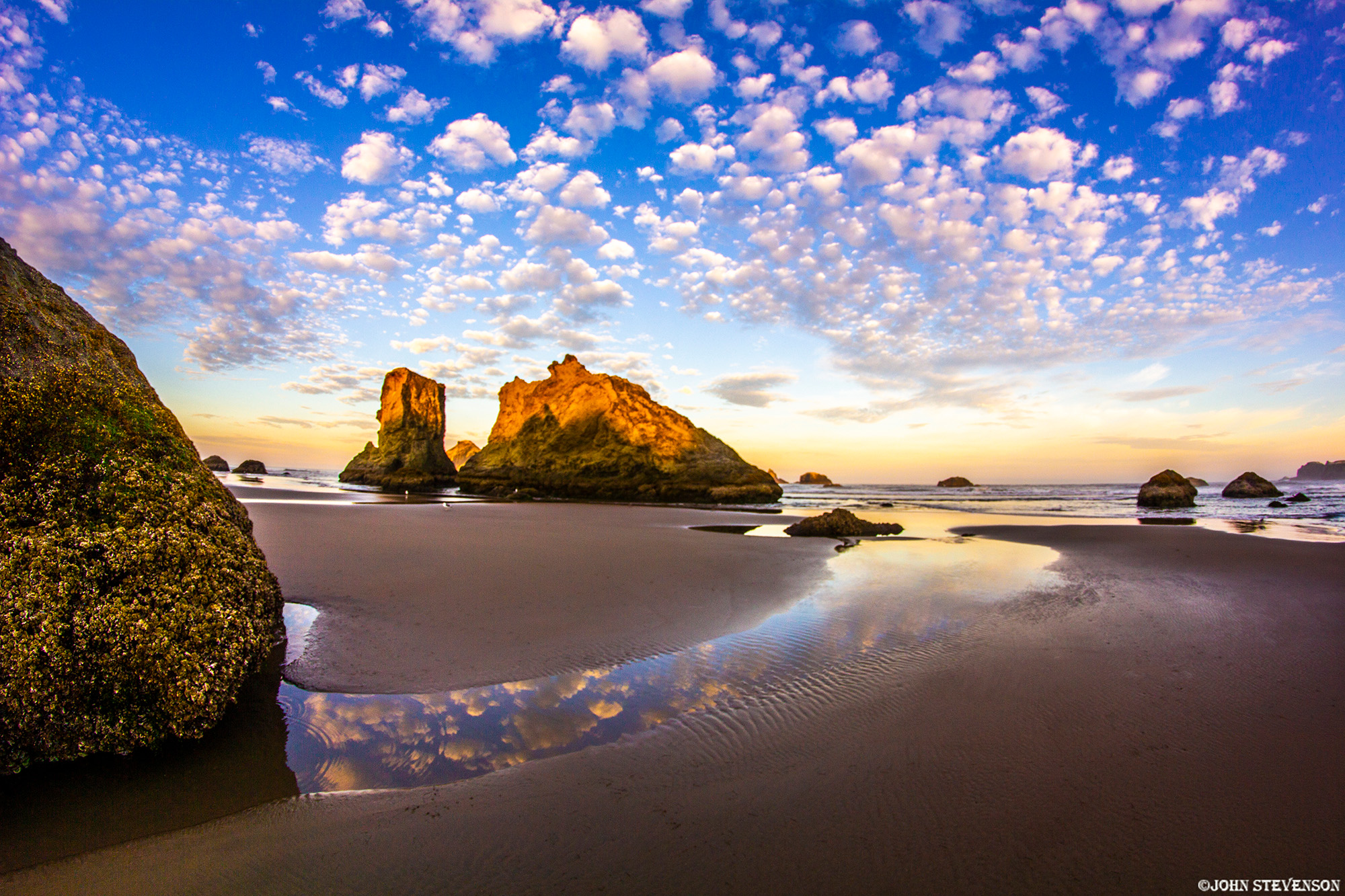
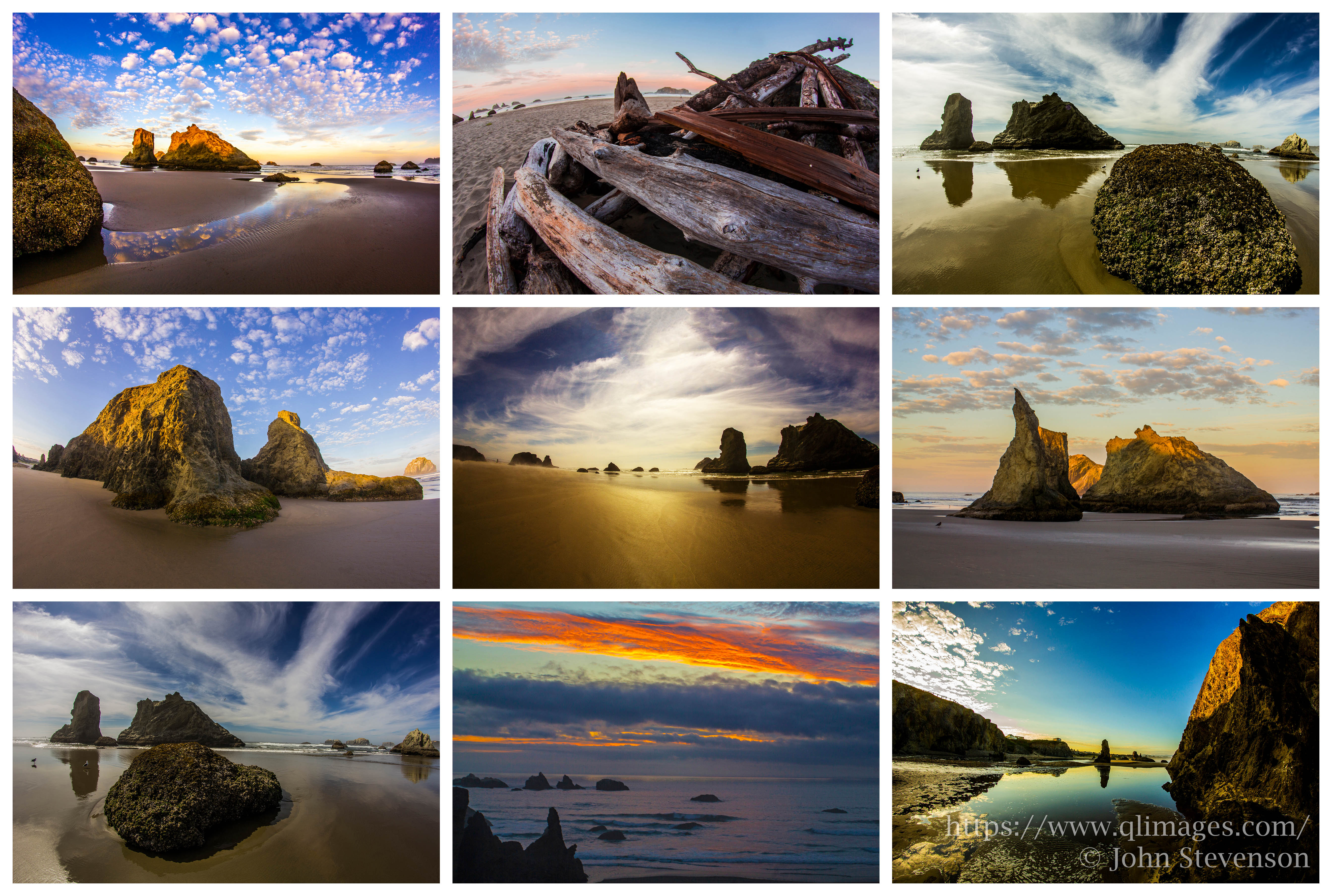
Bandon Beach, Reflecting Clouds over Face Rock, Oregon Coast. When we got to Bandon Beach, the beautiful, vibrant, bright cloud formation over the grand and enormous sea stacks rising out of the Pacific Ocean, reflecting on the sand. On this beach, you will see Face Rock, Table Rock, Wizard’s Hat and Cat and Kitten Rock. This beach is great for pictures. Just a short distance away is the historic town, with gift shops, galleries, and seafood restaurants.
Thank you for visiting my new website, and please tell your friends about my fine art landscape photography!
Cheers John
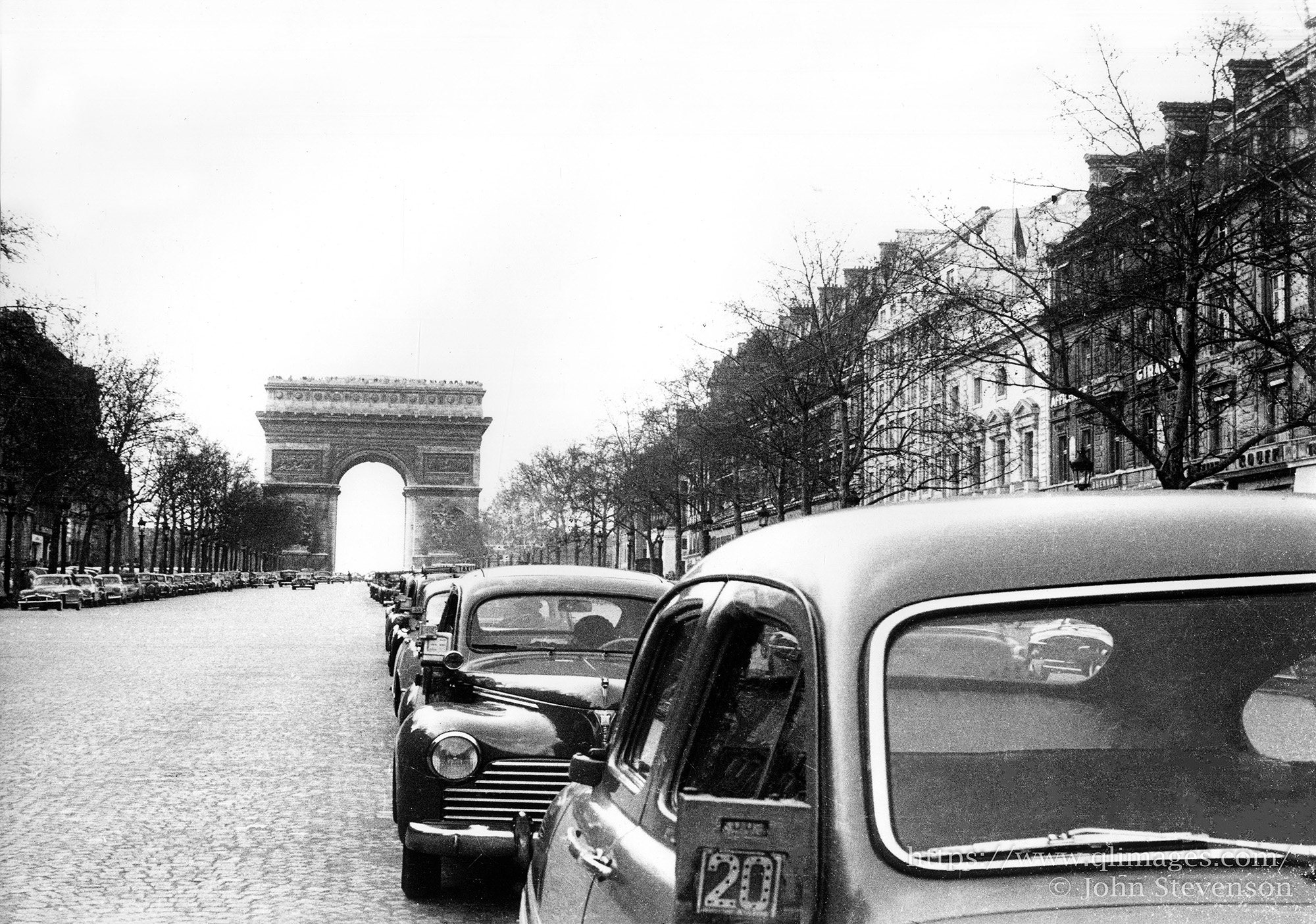
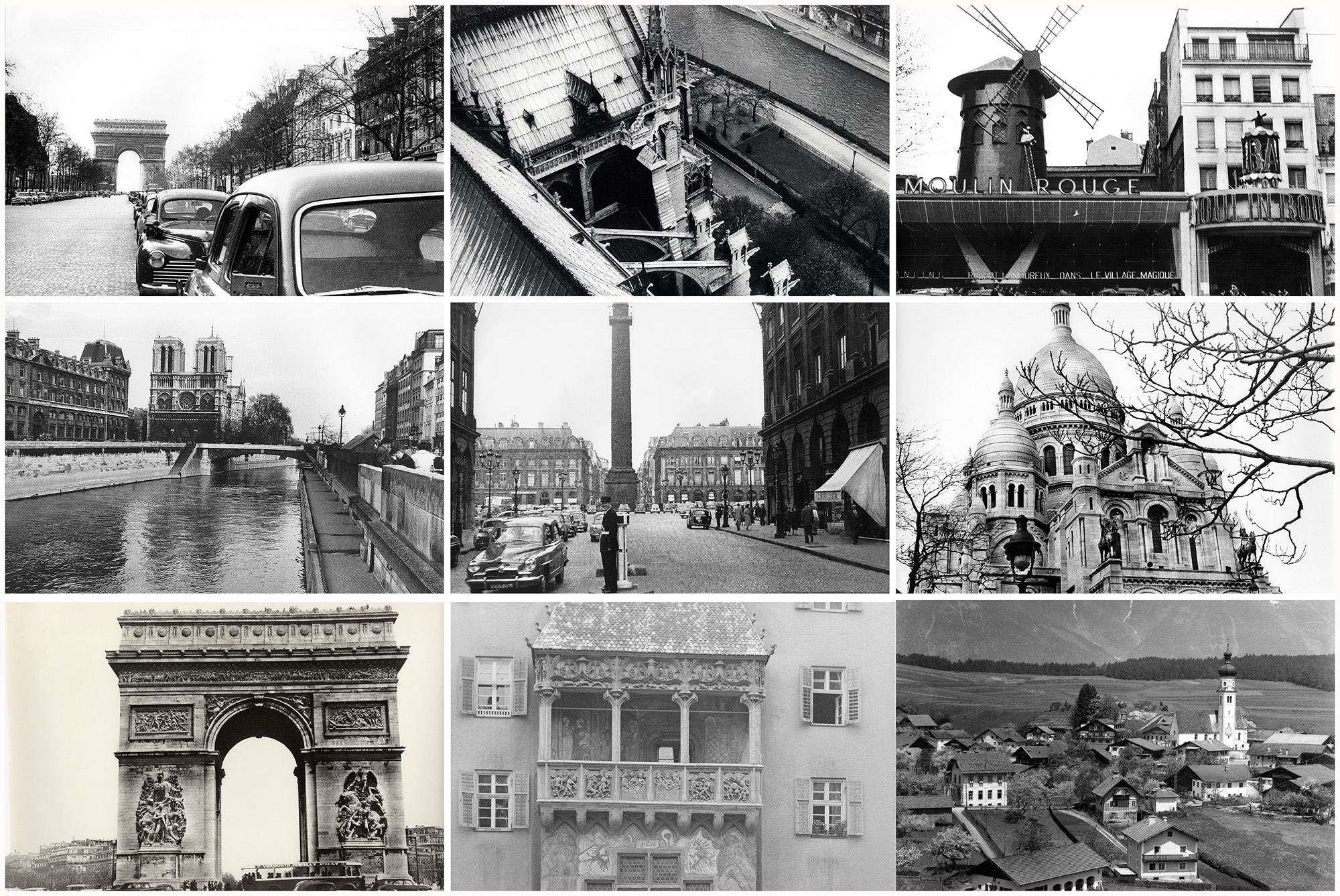
My late grandfather, Ernest, was photographed in the late 1940s, and I am the proud owner of this photograph.
The grand Arc de Triomphe is in Paris, France, and is one of Paris’s greatest monuments and a national monument, a fusion of grand military history neoclassic archetecture with sweeping city views. It was commissioned in 1806 by the great Napoleon and finally finished in 1836; it is located at the Place Charles-de-Gaulle, intersecting with the 12 avenues that radiate out, creating a star.
The Arc stands tall at 50 meters, built of massive limestone and celebrating French victories. The tomb of the unknown soldier lies beneath the arch from World War I, and an eternal flame burns and is rekindled every evening at 6.30 pm. You can climb 284 steps to the top to see stunning views of the city during the day and night.
Thank you for visiting my new website, and please tell your friends about my fine art landscape photography!
Cheers John
Selection of my photos