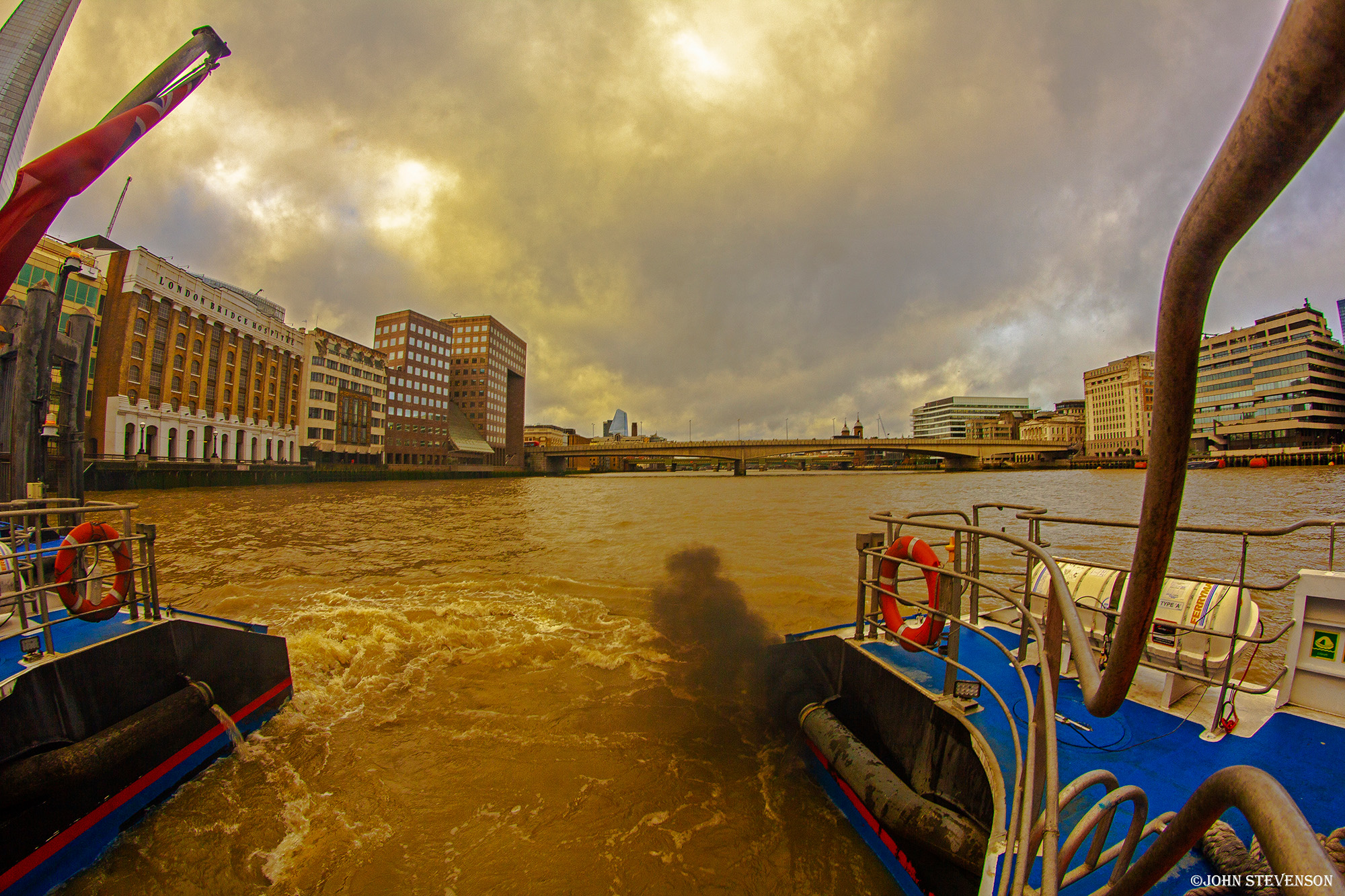
Traveling by boat along the River Thames offers a wonderful way to experience London from a different perspective. We boarded the River Thames boat and went down the river, passing the Tower of London, the Shard skyscraper building plus many more historic landmarks on the Thames.As the boat moves gently along the water, the city unfolds on both sides, revealing a fascinating combination of historic landmarks, traditional architecture, modern buildings, bridges, and busy waterfront neighborhoods.
The River Thames has played an important role in London’s history for centuries. It has been a major route for transportation, trade, and commerce, helping the city grow into an important international center. Today, the river remains an active part of London life, carrying passenger boats, sightseeing cruises, working vessels, and other watercraft.
From the deck of a riverboat, visitors can enjoy views that are difficult to appreciate from the streets. Historic buildings rise along the riverbanks, while famous bridges connect different parts of the city. Depending on the route, passengers may see landmarks such as the Houses of Parliament, London Eye, Tower Bridge, and the Tower of London. Each section of the river offers a different view of London’s architecture and history.
The changing reflections on the water add to the experience. On a bright day, sunlight sparkles across the Thames, while cloudy weather can give the city a more dramatic appearance. At sunset, the river becomes particularly atmospheric as the sky changes color and lights begin to appear across the waterfront.
A boat journey also provides a chance to slow down and observe London at a relaxed pace. Instead of navigating busy streets, passengers can sit back, watch the city pass by, and listen to the movement of the water.
Whether traveling for sightseeing or simply enjoying the journey, a boat ride on the River Thames offers a memorable view of London. It brings together the city’s historic landmarks, modern skyline, working river, and waterfront scenery in one continuous experience. Photo © copyright by John Stevenson.